
Tags
Electrified with an incredible burst of speed, the 7-year-old chestnut gelding Jimmysstar (NZ) (Per Incanto/Street Cry) Jimmysstar Horse Pedigree wins the G1 2026 Manikato Stakes (1200m) – 28 starts for 14 wins.
– posts i) 21 & rising – Ka Ying Rising (NZ) ii) KYR – the world champion sprinter a New Zealand family bred for Gold iii) Pedigree of American Eagle (Aus) These review back-strains that accentuate alike profiles.
By examining bloodline characteristics, essential criteria can be identified. It remains to the astute observer to acknowledge inherent traits that shall persist and define the horse.
Humphrey S. Finney was an admirer of John F. Wall’s Thoroughbred Bloodlines (1930’s) stating: It is a weakness of our pedigree keeping that we do not record more of the “constitution, conformation, and disposition’ of its component animals.
The trainer also detected a special quality in St Simon, saying that he was fuller of electricity than any horse he had known
excerpt: Notable English & Irish Thoroughbreds (Alister Taylor)
As blood-vital over breeding decades, the #BT – Herod – St Simon is largely pivotal by either male-line or female admix to breeding profiles. Historically accounted #BT, Turkmen and its ancient characteristics of skeletal conformation are seen to photos below.
#BT – the English Thoroughbred – GSB
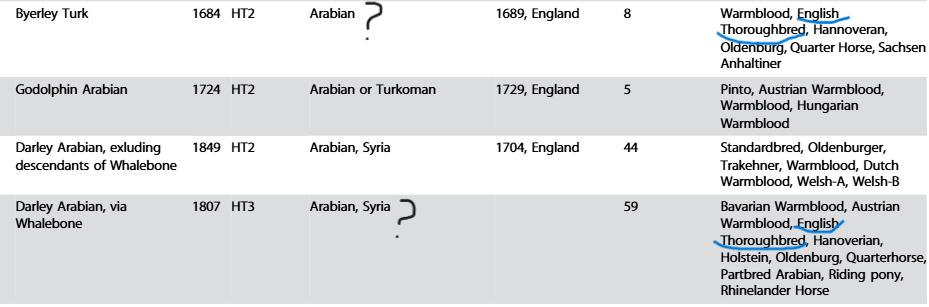
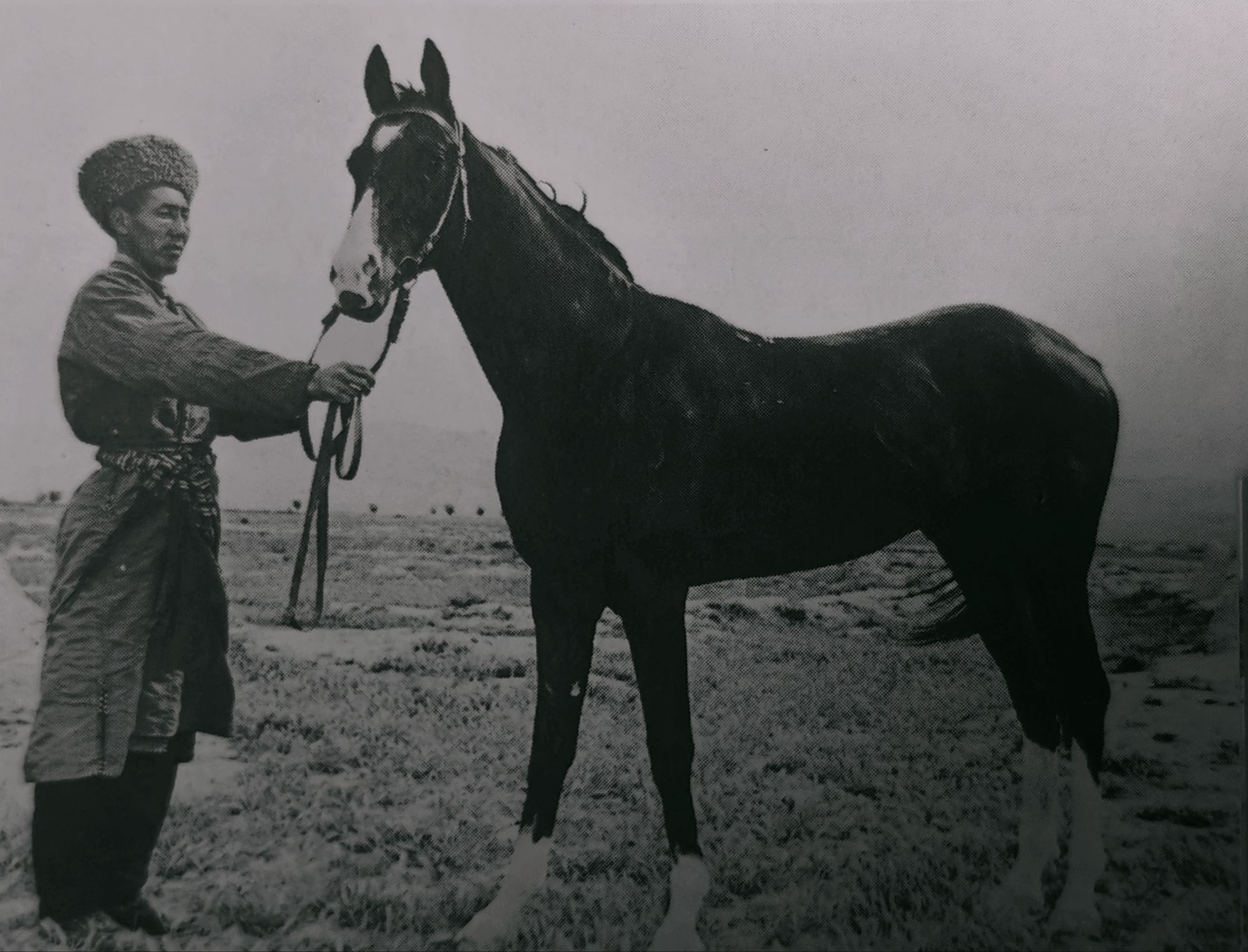
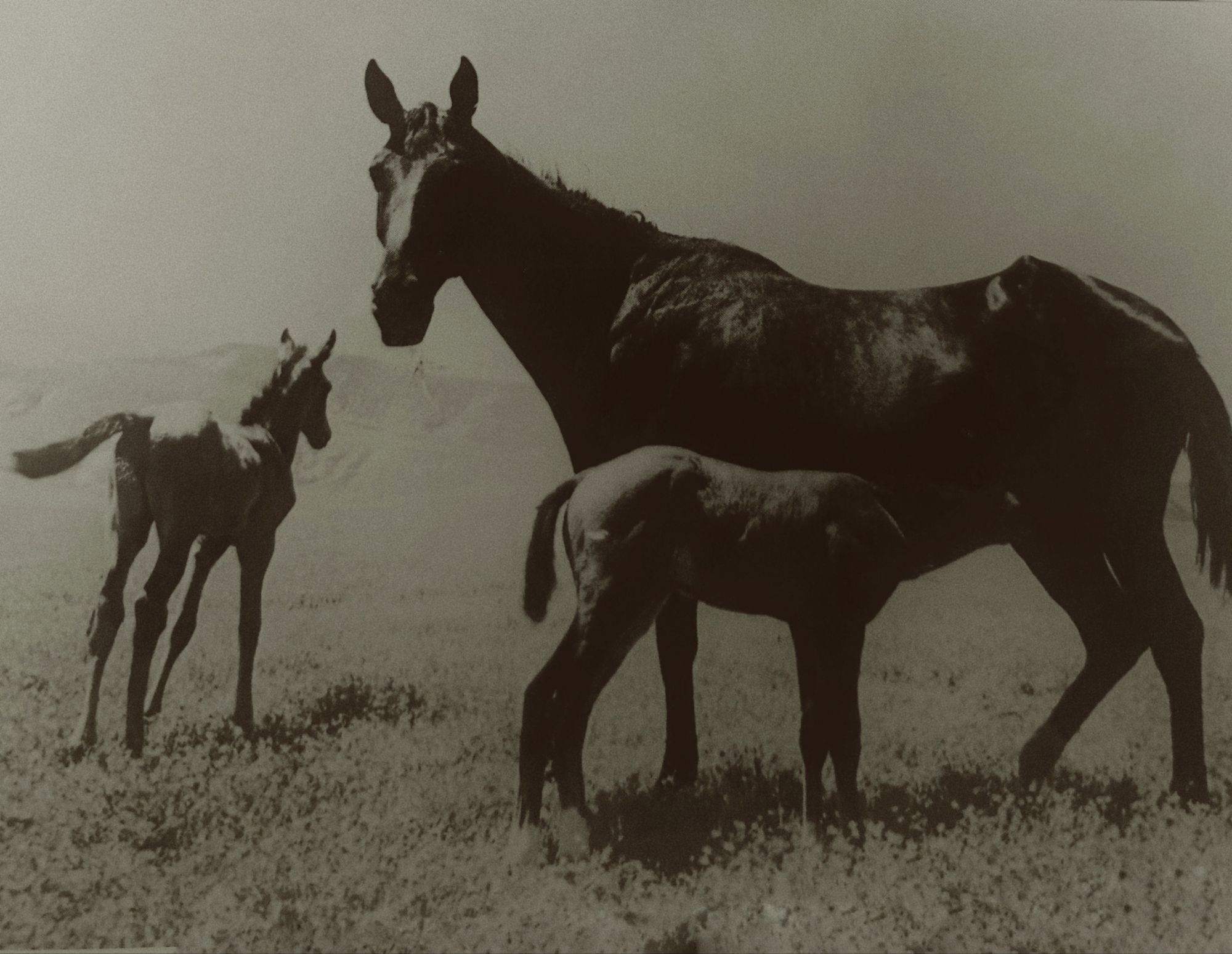
The science applied research to the racing thoroughbred to maintain causal speed, distance & stamina @ MSTN muscle type. The breeder’s logic may draw closer at type, body size and conformation: morphological equilibrium as any breed is designed to its efficiency, specialist sport performance.
It seems a genetic framework of *genes FRZB, MATN1, COL1A2, ACAN and IGF1 form a particularly interesting cluster because they all function & relate to skeletal growth, cartilage quality, soundness and athletic durability, traits that are highly relevant in riding horses, racehorses and sport horses*
Interestingly, the Gidran breed, Austro-Hungarian Empire studs (the Ottoman Empire) developed as derived through old-Spanish, Arabian, English Thoroughbred that makes positive contribution in Thoroughbreds. The candidate gene function influences exercise physiology, aerobic capacity & racing performance. Further to the Gidran breed is its chestnut ‘fixed’ coat (gene, MCIR) – Genome-Wide Homozygosity Patterns and Evidence for Selection in a Set of European and Near Eastern Horse Breeds – (*n.b. @link – AI crunched to genes)
To more practical and layman consideration constitution, conformation, and disposition – Jimmysstar’s sire Per Incanto, @Ahonoora possessed blistering early speed. He gained victory in the Spring Championship G2 and G3 King George Stakes over the minimum five furlongs. Ahonoora initially attracted little attention from breeders but managed to get top class runners over a wide variety of distances.
Though considered unfashionably bred, Ahonoora son Indian Ridge, a sprinter, captured the King’s Stand Stakes G2 and G3 Jersey Stakes where he turned out to be an exceptional sire of milers and sprinters.
(5×5) Sir Ivor, Lestor Piggott claimed he was the best horse he ever rode (apparently the jockey was not known for effusive praise). It was Piggott on Sir Ivor for the Washington DC International Derby, the 2000 Guineas and the Champion Stakes plus two other of the horse’s eights wins, as well as to be second in the Prix de l’Arc de Triomphe. Sir Ivor to his racing, went well off the pace, only to deliver a devastating turn of foot and take the win.
Tom Fool undefeated at four and 10 wins in his 1953 season. He proved so formidable that wagering was cancelled the four times he ran. He ran twice in the Suburban H. and won both times. 1953 Horse of the Year, Champion Handicap Horse, Champion Sprinter, his genetics are seen to Try My Best – Danehill – Stop The Music as noted to – Jimmysstar b/m sire Zed.
Note, Sir Ivor and Tom Fool take genetic affinity through chestnut mare Alcibiades dam of Tom Fool’s sire Menow and to Sir Ivor’s 4th dam.
Broodmare sire, Zed – notable sire of mare Verry Elleegant – 2021 Australian Racehorse of the Year, winner and stayer of Melbourne Cup. Zed has 10x Selene through her family as are noted to New Zealand breeding leading sires Sir Tristram and Star Way (discussed below)
Disciplines for inbreeding crosses continue to this very day is finding the duplication to Selene viz., Hyperion, Pharamond II, Sickle, Hunter’s Moon and through her daughter’s son Mossborough by Nearco. Mossborough’s dam All Moonshine the 3/4 family affinity to Hyperion. It’s worthwhile to remember and note Selene grand-sire St Simon and the downward ‘multiple’ strains of St Simon reinforce one superior performer.

He was a strongly built chestnut standing 16 hands – Star Way sired by Star Appeal by Appiani the Italian Derby winner. Star Appeal won 11 races, including the Prix del’Arc Triomphe and Eclipse Stakes G1. Star Way sired 5 G1 winners in his 1st season: classic standard and middle-distance stamina to the likes of New Zealand’s champion, the chestnut gelding Waverley Star, multiple G1 winner & sire Sky Chase, and champion stayer mare Smiling Like.
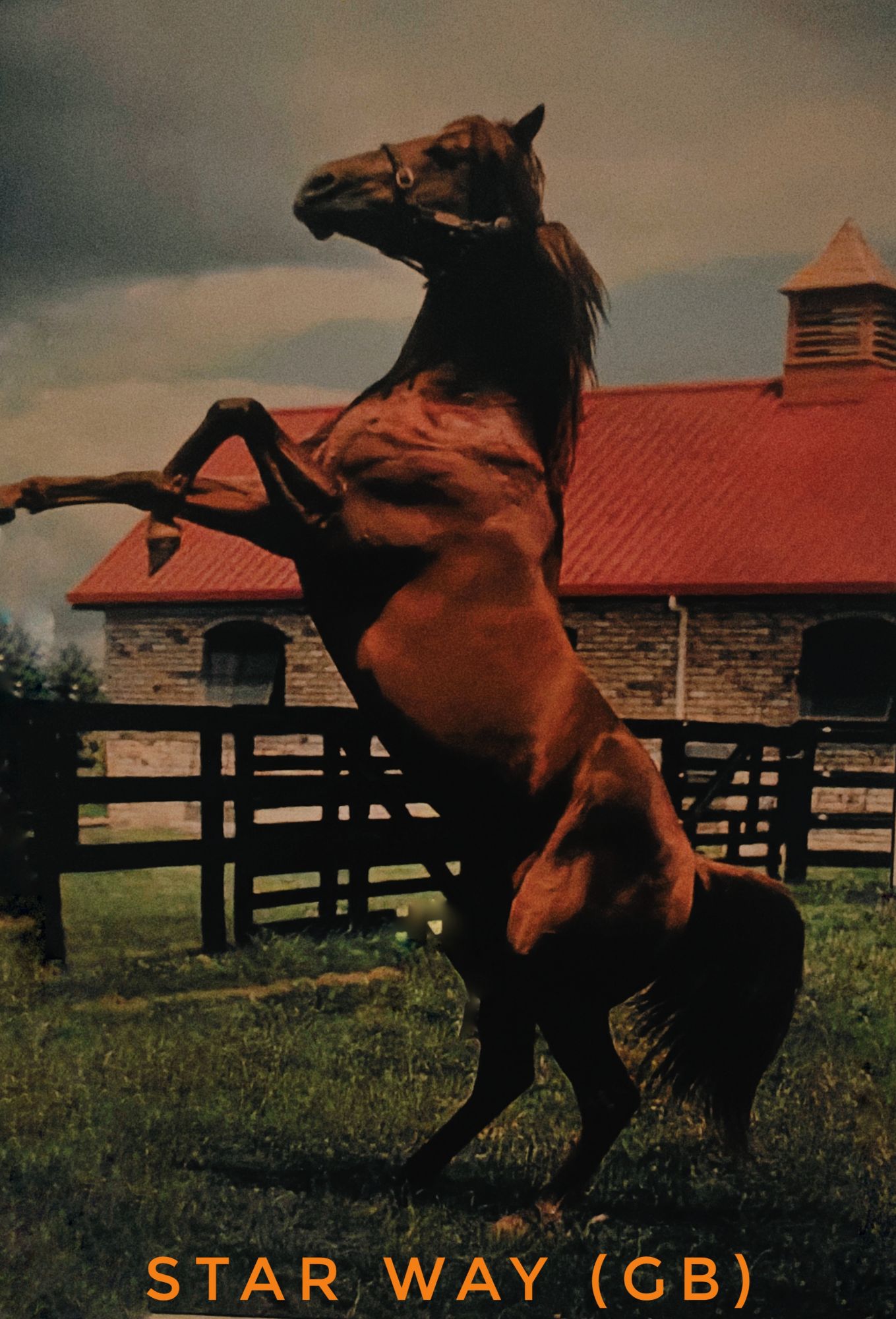
His son Star Board won the Sires Produce Stakes Gr.1 at Awapuni (N.Z.) and headed the two-year-old Free Handicap with 58.5 kg. Star Board emulated his sire’s precociousness at the same age.
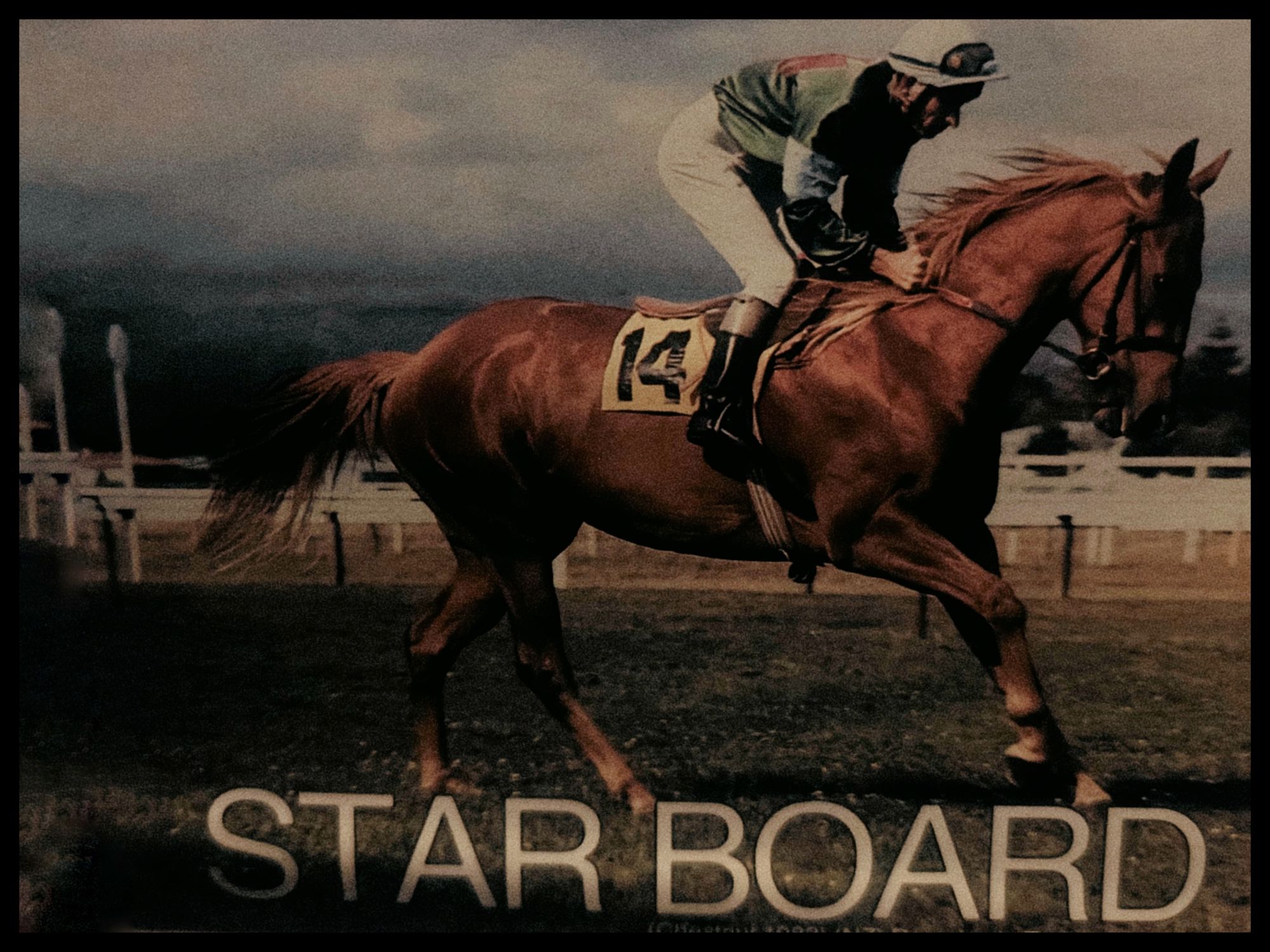
Pentire – an excellent sire for tough progeny producing middle distance to stayer, Melbourne Cup winner Prince of Penzance, 3rd place-getter Melbourne Cup Xcellent & Australian standing sire Xtravagant (NZ)
Jimmysstar distaff is more renowned to Argentina bloodlines & producers. His 4th dam by Climber (USA) noting #BT sire line + 2x Hyperion/Selene. He was an exceptional genetic sire for Argentina breeding. Another genetic monster in sire Penny Post (ARG) & further back Old Man 1901 (ARG). The family distaff heads @ Ante Diem (GB) a daughter of the ‘powerhouse’ male line by Musket. (*Pedigree Query notes – The ANTE DIEM family has accounted for at least 19 Argentine Classic winners, among them 1931 Triple Crown winner MINERAL, as well as many other winners of top races in both Argentina and Brazil)
Jimmysstar (NZ) on his powerful win Manikato Stakes, is again entered for TAB The Everest and will challenge Ka Ying Rising (NZ).
Ole’ to the wonders of those gene powerhouses.
******
references & credits – The Thoroughbred, Stallions and Stud of New Zealand by Bill Cox
Horses of the World – Daphne Machin Goodall
*** with acknowledgement to Janice Winterhalter, who has also provided – Cultural Politics of Thoroughbred Horses in the Ottoman and British Empire – 9d5f73c1-fa7b-3180-9b2b-1c3ef02b66e4
acknowledgment to Gilberto Junqueria – From 1415 onwards, conditions were created for a constant flow of new specimens coming from North Africa to Portugal, and the constant attempts at territorial expansion in Morocco also meant a significant number of equines making the same crossing, but in the opposite direction. In any case, it became clear that the introduction of horses from North Africa had a huge impact on the “Royal Stables” that at that time represented, to a good extent, the standard of the equine breed in Portugal, before the current concepts of breed even existed. (The International Circulation of Horses Fostered by the Portuguese Crown between the Late 15th and Early 16th Centuries) ORCID: https://orcid.org/0000-0002-7634-7559

