Tags
1, 17, 3, 41, 8, BT, Byerley Turk, Byerly Turk, St Simon
“its that we have moved the entire breed to a different conformation”
“we’ll breed to anything that produces a fast horse”
“We (the author here is Ellen Parker @ reines-de-course) have seen some very meaningful patterns in the pedigree of horses he (A.B. “Bull’ Hancock) stood at stud and the families he collected over the year. The main line he seemed to fancy was St Simon. Nasrullah was inbred to St Simon, Princequillo was St Simon line. Round Table was inbred to St Simon. The beautiful Le Fabuleux was also St Simon line.” ( ex-reference, http://www.reines-de-course.com – The Hancock Patterns)
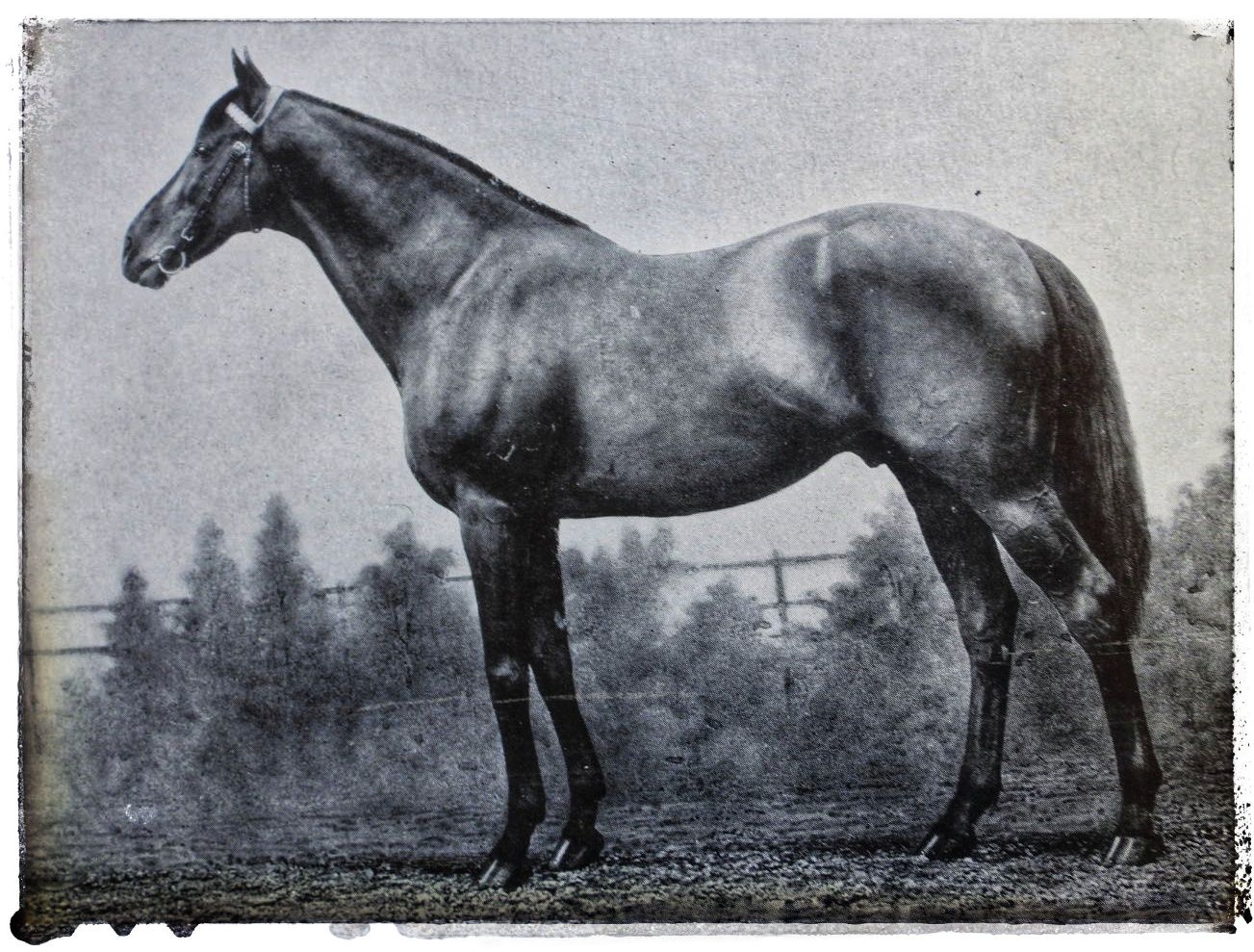
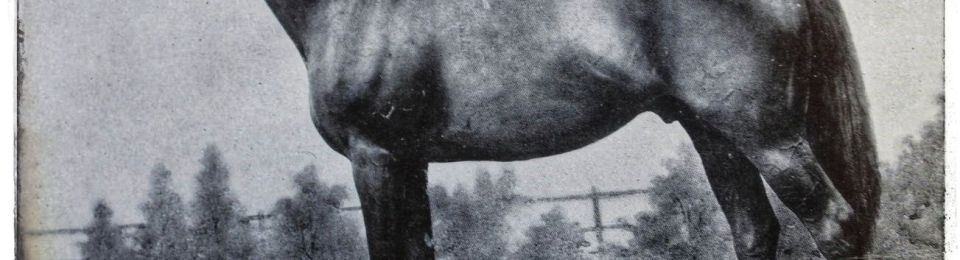
Tesio never liked to give away secrets but he did mention St. Simon was a stallion who changed the conformation of the English racehorse. Tesio believed St. Simon transmitted conformational differences such as a sloping croup and different shape of hocks that gave his descendants athletic advantage. He attributed the difference in physical structure to genes transmitted from St. Simon’s broodmare sire King Tom, son of famous mare Pocahontas (by Glencoe), with noting Glencoe is of the Herod/Byerley Turk male line (credit ref https://www.stallions.com.au/2021/10/18/battle-of-the-sexes/)
Everyday breeders and researchers will look through individual pedigrees not perhaps fully comprehending the modern thoroughbred goes akin to the simple basis of either two and of other in selection, ‘types’.
Many pedigree fans simply fail to draw out the striking opposite patterning and these categorically are the competitive type to the lines of Byerley Turk/St Simon.
The comparisons how the modern breed possibly changed and whilst one cannot accurately judge, one of the unique anatomical traits of the Arabian is that it often has 𝟓 𝐥𝐮𝐦𝐛𝐚𝐫 𝐯𝐞𝐫𝐭𝐞𝐛𝐫𝐚𝐞 𝐢𝐧𝐬𝐭𝐞𝐚𝐝 𝐨𝐟 𝟔, and 𝟏𝟕 𝐩𝐚𝐢𝐫𝐬 𝐨𝐟 𝐫𝐢𝐛𝐬 𝐢𝐧𝐬𝐭𝐞𝐚𝐝 𝐨𝐟 𝟏𝟖, contributing to its compact and strong frame. Simple comparisons follow –
| Feature | Arabian | Thoroughbred |
|---|---|---|
| Stride length | Shorter | Longer ✅They rely on covering maximum ground per stride rather than rapid turnover |
| Stride frequency | Higher – they maintain speed without overextending | Lower – Lower stride frequency but longer stride length. |
| Efficiency | Energy-conserving, endurance | Speed-maximizing, sprint ✅ |
| Best suited for | Endurance racing, uneven terrain | Flat racing, sprint distances |
Racing Thoroughbreds (longer back):
Result: longer stride length, ideal for sprinting and flat racing.
Extra vertebrae allow more flexibility and extension.
Longer stride means they cover more ground per step. (*** see below)
It is breeding to Types that has coursed history: ‘certain parallels between England and Arabia to both were for centuries developing and consolidating a certain breed of horse; in Arabia for war, in England for sport’ -The Arab Horse in Europe, E. Schiele
The Byerley Turk foaled about 1680 and is said to have been brought by Captain Byerley, as his share of the booty, taken from the Turkish army before Vienna. He came to England about 1684 and was ridden by Byerley as his charger when he was stationed in Ireland in 1690.
Genes as progenitor of the English Thoroughbred, as so named of three foundational sires, the Byerley Turk today arises as the near extinct male-line to the modern era racehorse breeding.
His TB-o1 signature is a real and scientifically recognized Y-DNA haplogroup; he carries a powerful ancestral story.
The highly acclaimed bloodstock writer Rommy Faversham states ➡️{*The Byerley Turk would go on to sire a number of highly influential daughters, most of whose names do not survive. These include the taproot mare for Bruce Lowe’s female families, #1, #3, #8, #17 & #41. } – (credit excerpt-*Faversham)
Dam of the Two True Blues (ancestral Sunday Silence)
The second Byerley turk mare of the dam of two grey colts by Honeywood’s arabian (also knows as Williams Turk and Sir Charles Turner’s Turk). These grey colts were foaled in 1710 and 1718 and it has lately been the custom to describe their dam as the dam of the two True Blues, the colts having been known as True Blue and Young True Blue respectively.
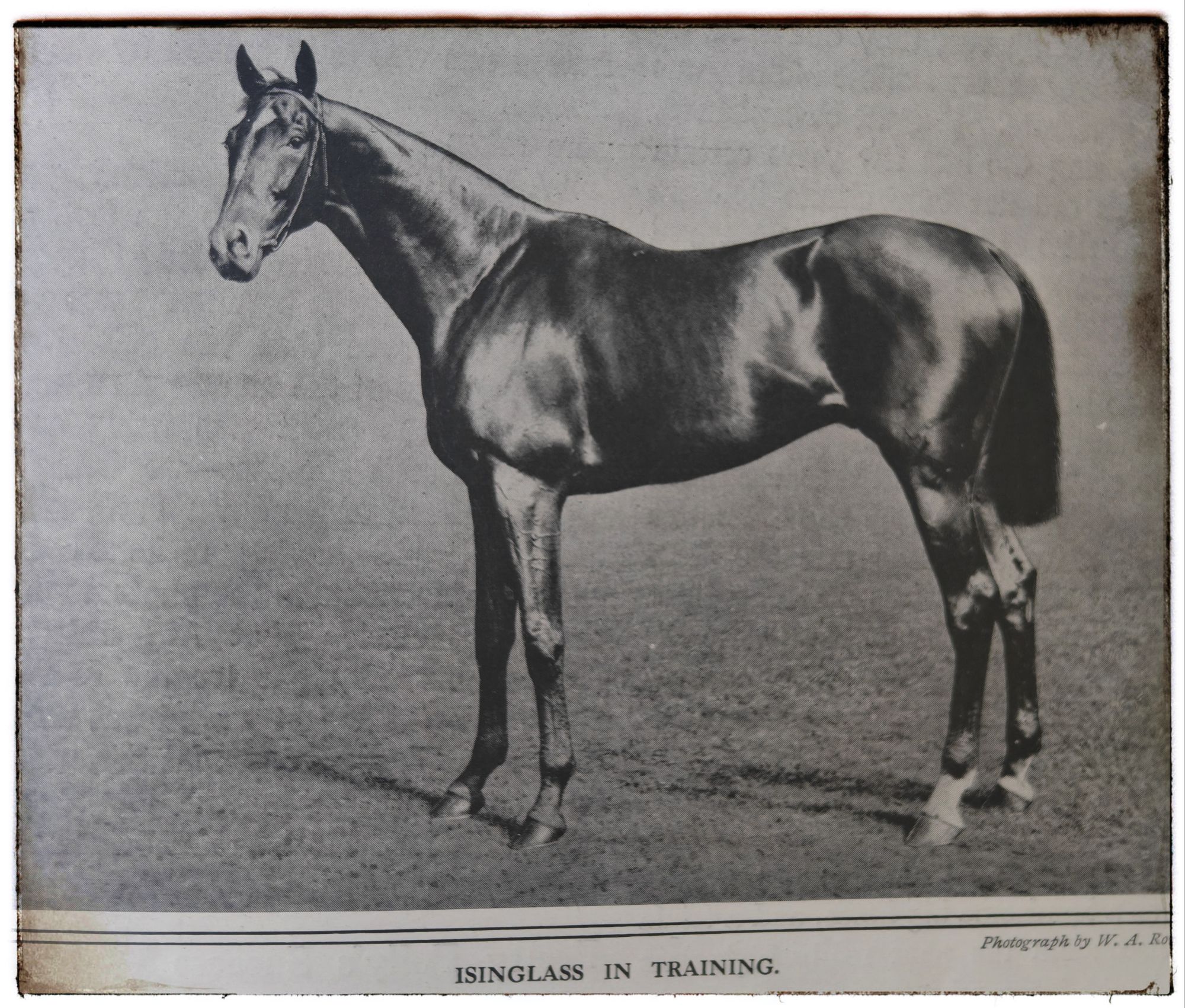
Between 1710 and 1718 (the exact dates not been give) the dam of the two True Blues foaled two grey fillies to Honeywood’s Arabian, and in turn the elder of these fillies bred two fillies to Bartlett’s Childers, and from her many of the best known race-horses are descended. There is no need to give a full list, but the names of the Flying Dutchman, of Stockwell, Rataplan, and King Tom, of Galopin, Isinglass, and of the famous fillies Memoir (St Simon) and full sister, La Fleche may be mentioned. (excerpts are 1901 The New Book of the Horse).
Reading a pedigree the Byerley Turk blood shall always captivate to his honourable presence. Yet it is the puzzling demise how an outstanding breed has silently coursed an exhaustion: a withering of the vine 1980’s onwards.
(ex-Faversham) We don’t really know the extent to which biodiversity is being forfeited when a sire line dies. It does, however, stand to reason that if one chooses to acknowledge the value in recognizing the spectrum of sire lines, it should in turn, be difficult to believe the breed suffers no meaningful loss when you eradicate one.
Let there be no doubt Byerley Turk Horse & Type, has structural backbone genetic or otherwise.


To contemplate the genetic relationship among those Tb-o1, shall credit a ‘distinctive’ genetic ‘value’ incomparable. His relationship and value as thoroughbred originates from the Turkoman horse (Akhal- Teke). These origins to be spread widely by English Thoroughbred stallion descendants. In presence of clade Tb many European breeds has no documented influence of English Thoroughbred stallions which shall certainly demonstrate the influence of Turkoman stallions, as independent of the English Thoroughbred.
With references @ (** 2022 science publication **) see Fig 1 & Table 1 (cited below) – @ Clade T @ Tb-o1a,b,c, the given type thoroughbred alongside original arabian clades are the given Type to be critically observed. These cited and selected arabian identities (Table 1, pg 12) is to assess what Byerley Turk (Tb-o1b) gets for an ‘elite’ genetic capability.
These two photos below are representee to TB-o1.🏇✅ these are classified as Polish Arabian yet maybe comparable to other sire lines TB-o1, observing Byerley Turk ancestral type.
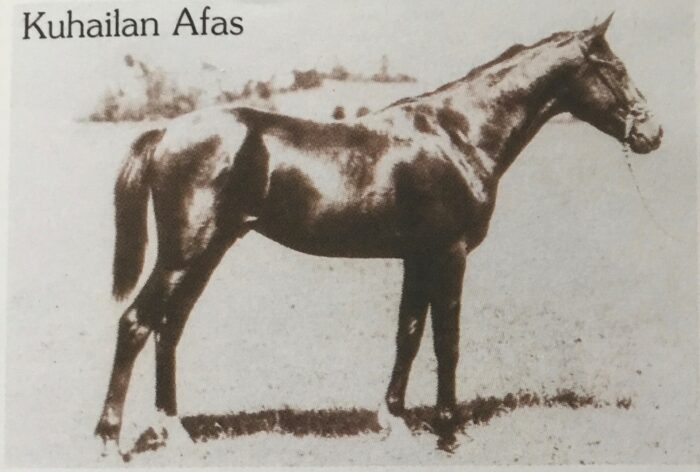

https://www.allbreedpedigree.com/kuhailan+afas
Kuhailan purity is preserved while one may discover exquisite jewels within this heritage, prudence is essential in making acquisition.
- Kuhailan Krusch, sired by the esteemed dam Kuhailat Afas, exhibits the quintessential attributes of an ideal horse. She possesses a robust physique, characterized by low-set legs, a long and well-coupled body, and remarkable withers. Her neck is elegantly elongated and noble in appearance, complemented by a refined head that embodies Arabian lineage, featuring large eyes and a delicate-skinned muzzle, albeit with slightly soft pasterns. Her hind legs are of impeccable quality. https://polskiearaby.com/en/breeding/35784-from-the-desert-to-poland-90-years-of-polish-kuhailans-part-1
The significant observations indicate that this distinguished horse @typology possesses qualities that go well beyond foundational storytelling.
The TB-o1 type characterizes a diverse breeding spectrum, which is likewise proportionately reflected to elite pedigrees.
TB-o1 assigns the arabian Latif 1903. He was an outstanding stallion, excelled for French bred anglo-arabian winners.
⬇️⬇️⬇️

(above) The desert-bred stallion Latif (b. 1903, by Hamdani El Samra) was imported to France in 1909, where he helped shape early 20th-century Arabian breeding with his authentic desert type—dry, balanced, and correct. He sired 38 purebred Arabians and left a lasting legacy through his chestnut son Denouste, the most influential French sire of his era (credit info- FB Arabian Horse Database)
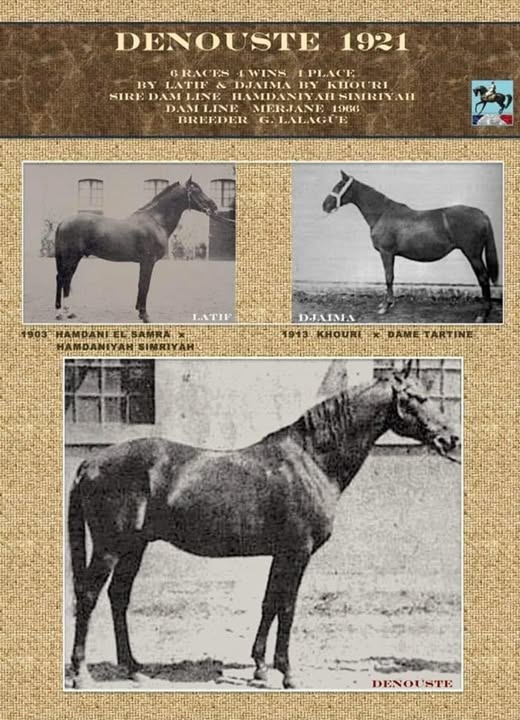
https://www.allbreedpedigree.com/latif2
Science has disclosed some descendants of Original Arabians are clustered on the node basal to haplogroup T. ref, https://pubmed.ncbi.nlm.nih.gov/28669755/
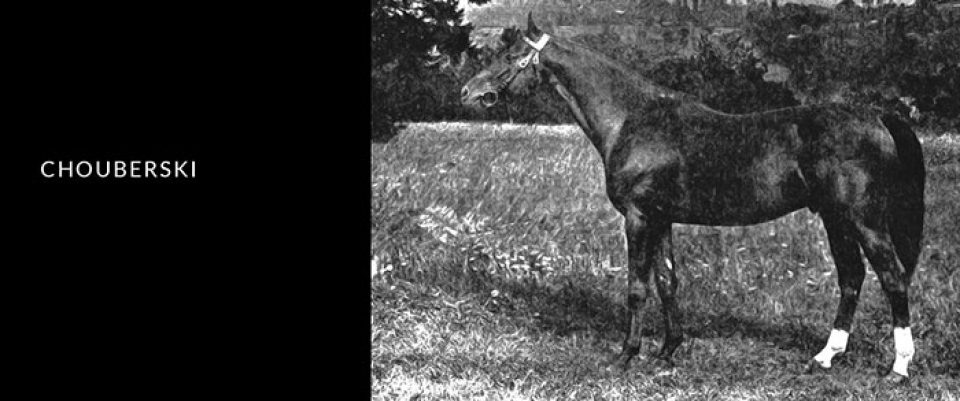
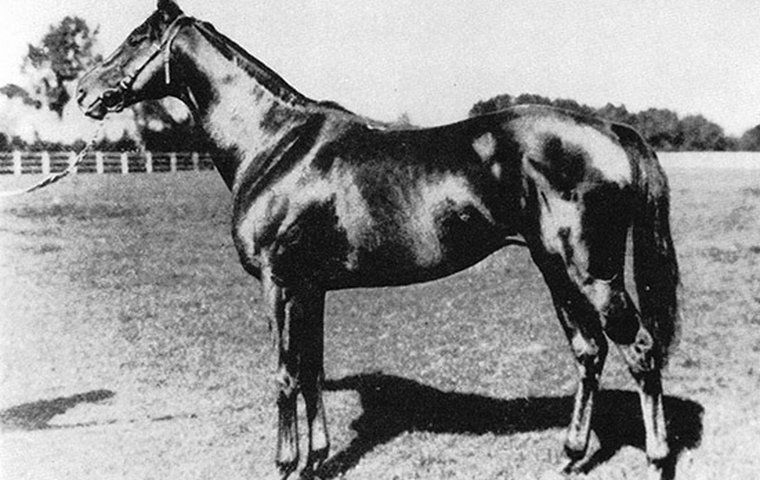

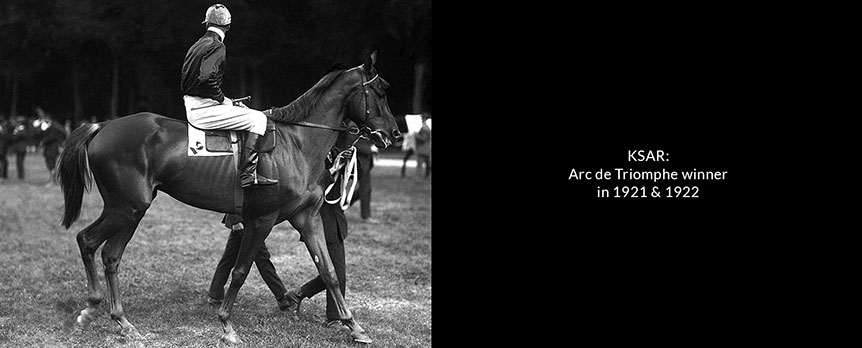

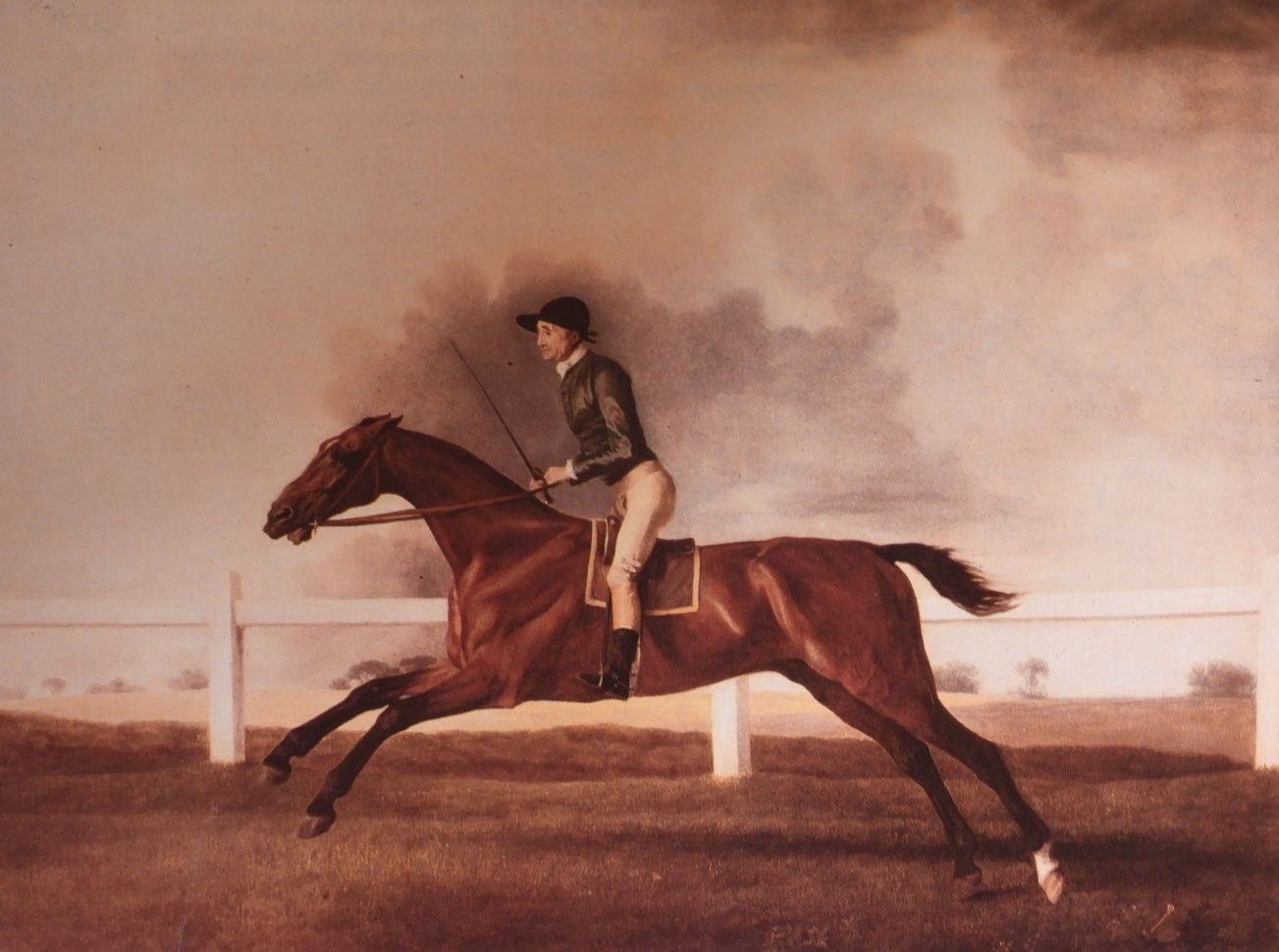
With reflection to Byerley Turk’s Tourbillon tail-male line – France’s most successful sire line in the mid-century, successful crosses aligned My Babu – Ambiorix – Klairon to Turn To male line where his 3rd dam Sweet Lavender complemented. The investigation into the crossing of the blood of those relatives found disproportional levels of success throughout much of each (and every) strain to worldwide pathways. (Excerpt ref. A relative Matter – Rommy Faversham – Thoroughbred Times 7/12/1996 & Inbreeding to Superior Females)
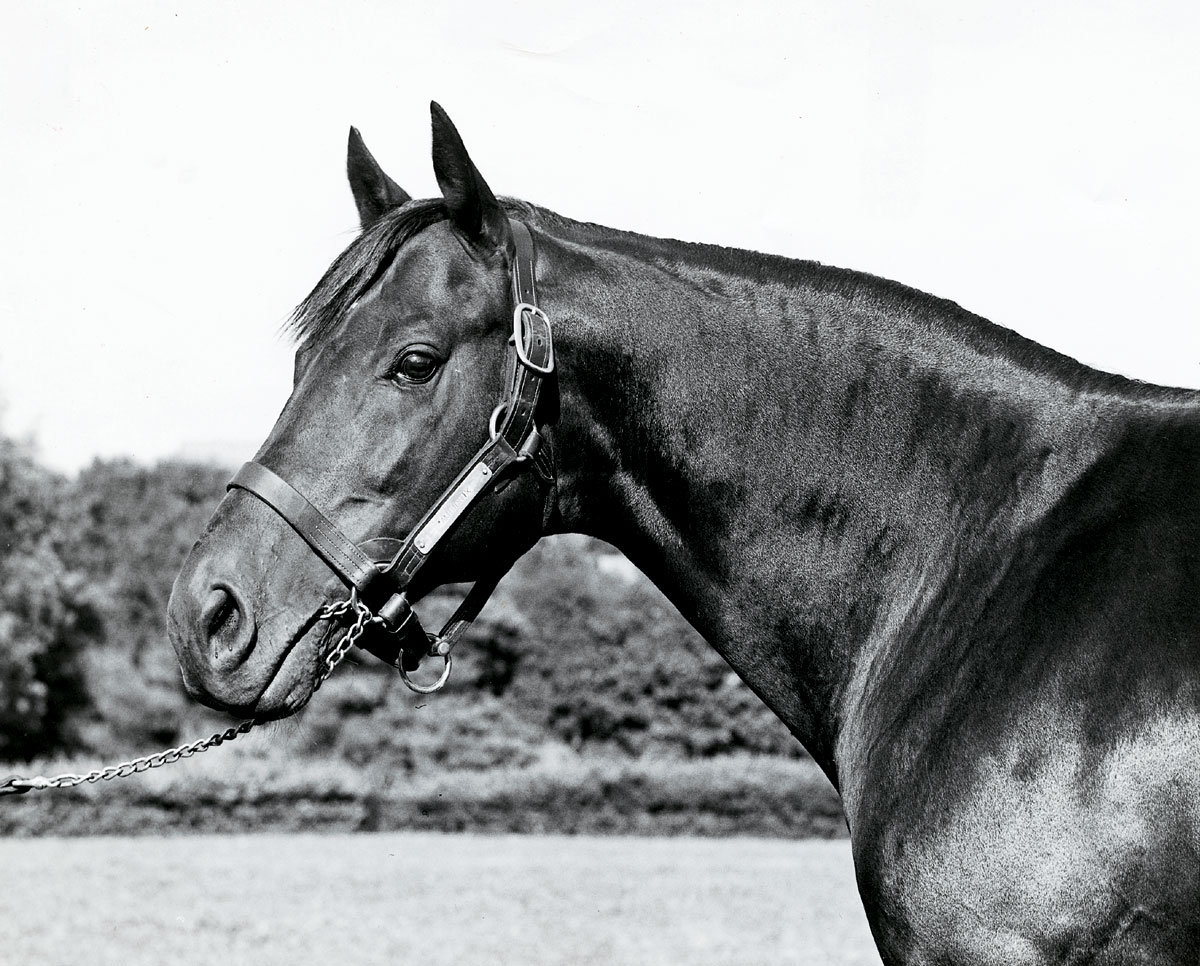
By breeding horizon, The Byerley Turk appears abandoned and yet it is to ask how, what or why arose this cause n’ effect circumstance? The Byerley Turk at times appears unusually judged for slow development, problematic surrounding successive sons & sires, stayer or hurdler type and or, not appealing the commercial 2-year-old precocity type for the marketplace, hence, culminates the decline.
Although ignorance persists; it is to scientific enlightenment exactly refining what the elite racehorse has to their brilliant performance.
***– : {Elite racehorses reach peak speed by predominantly increasing stride length rather than stride frequency [15]. Over the last 200 m of any race, horses that can maintain stride length and/or frequency tend to achieve a better finishing position.} {We suggest that aptitude for superior performance is variable for each individual racehorse, relying on unique physiological factors. Furthermore, race-day performance prediction can be equally influenced by intrinsic aspects such as the sex of the horse (colts have a greater chance of winning) and their particular aptitude for race distance where stayers also more likely to win} ✅https://www.mdpi.com/2076-2615/14/9/1342
The Quest for speed dominance alone has surely made representational over-refinement. The over saturating the blood, a term of the old school breeders with insight for hybrid vigour replacement. The racing thoroughbred population has clearly become disproportionate at expense of T-C geno, where higher proportion of shorter races favor horses with sprint-type C-allele. The Darley Arabian has taken a long expanse evolving dominance @Tb-dM1a (Mambrino / Hambletonian type). (Fig 3 – https://www.nature.com/articles/s41598-019-42640-w
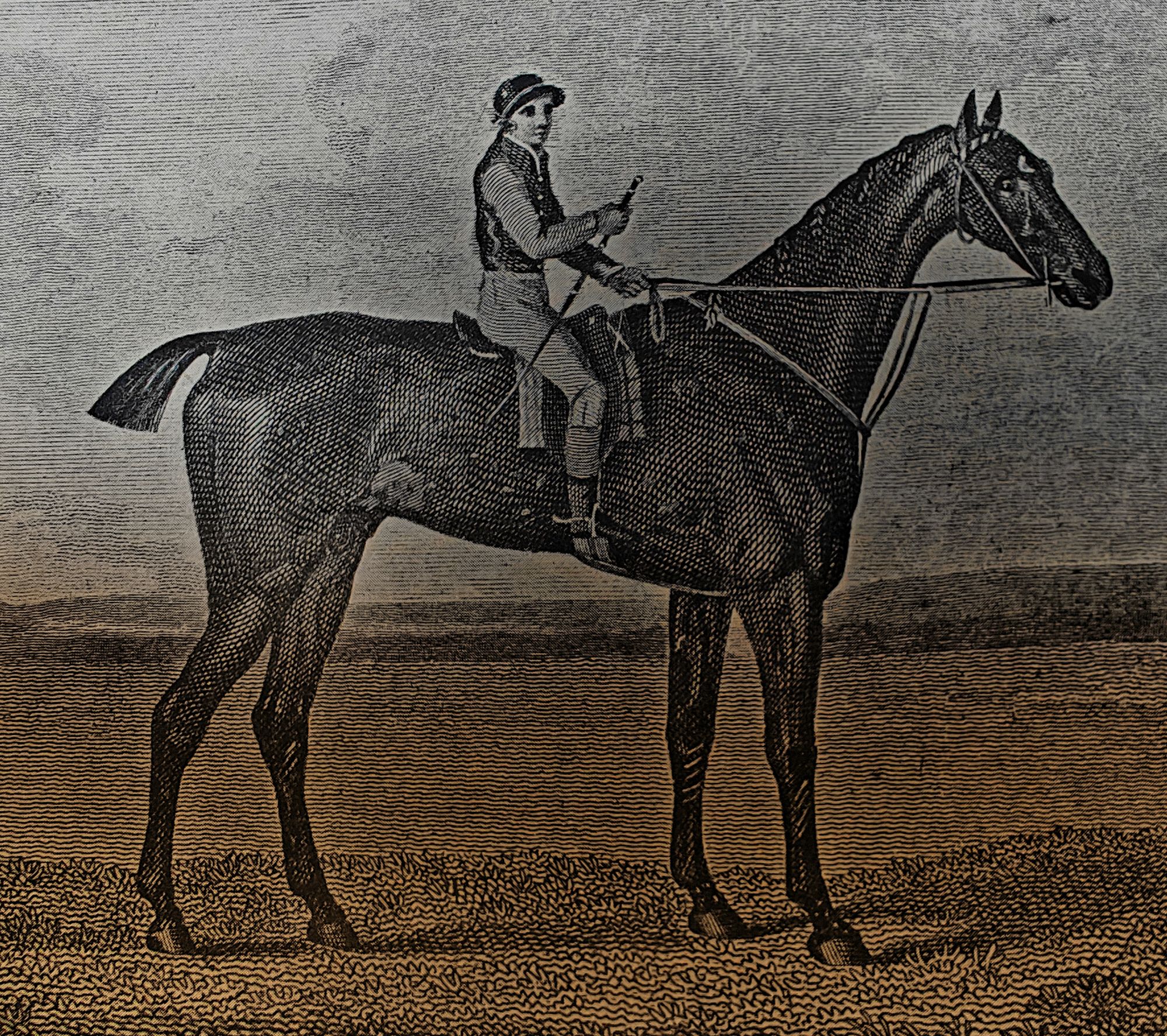
By statement (ref link) : Genetic diversity in the Thoroughbred breed has been reduced in recent decades due to the increased commercialisation of popular stallions providing large genetic contributions to the population.
Retaining high level of genetic variability is the key to robust allelic richness and a moderate heterozygosity supports genetic health of populations – the continual foundation for future breeding.
The #BT trait, its locus indicates a potential breed-specific fixation of the allele. It is the aerobic function (to sustain energy at speed) versus non-aerobic energy production, sprinter.
| Genotype | Racing Style | Optimal Distance | Muscle Profile |
|---|---|---|---|
| C:C | Sprinter | ≤ 1 mile | Compact, muscular |
| C:T | Versatile | All distances | Balanced |
| T:T | Stayer & Endurance | > 1 mile | Lean, stamina-focused |
Studies shall highlight how specific equus caballus Arabian genetic regions are containing unique genes vital for energy production, mitochondrial function, and motor control, these contribute to the exercise performance seen in Thoroughbreds with those of Arabian ancestry. {11 chromosomal segments unique to Arabian on ECA2, ECA3, ECA8, ECA12, ECA19 and ECA23. The Arabian (only) have selected regions contain recognizable equine exercise relevant genes inclusive COX4I129,46,47, PPARGC1A47,48 and DMRT349; all three of these genes have been identified within run of homozygosity in several horse breeds50 to indicate that stretch of DNA has been driven toward fixation of centuries of breeding.
Essentially the functions reflect superior oxidative clearance and optimal aerobic power to elite horses. Elite horses handle oxidative stress.
| Gene | — | Effect on Mitochondria | Performance Impact in Racehorses |
|---|---|---|---|
| COX4I1 – Central to mitochondrial electron transport and maximal oxygen consumption – fundamental for prolonged, aerobic exercise. | ↑ Complex IV assembly; ↑ VO₂ maximum aerobic capacity | +5 % endurance output; faster recovery times ✅ | |
| PPARGC1A – Master regulator of mitochondrial biogenesis, oxidative phosphorylation, fatty-acid oxidation and Capillary formation in muscle. | ↑ Mitochondrial biogenesis; ↑ fatty-acid oxidation | 10 % lower lactate accumulation; higher stamina ✅ |
Science comes to ‘explain’ racehorse performance centers other phenological traits and are increasingly scrutinized. Individuals with a short-distance-suited genotype were distributed mainly between 1000 & 1800 m.
Individuals with a T/C genotype are mainly distributed between 1200 and 2000m! https://scispace.com/pdf/a-cohort-study-of-racing-performance-in-japanese-1eyob985pt.pdf
Using the very last Byerley Turk Sire Line stallion’s left in the world and what it means to the horse racing scene wherever so, can produce the brilliant quality and that particular horse with a different pedigree can flourish unexpectantly. As important are the daughters breeding and, in most instances, the #BT dam lines upon breeding today will display dynamic.
As campaigns go to save the sire, Pearl Secret (by Compton Place #BT), he went exported to Arrow Stud in Japan. https://www.pedigreequery.com/pearl+secret Yuki Shimomura, owner of Okaribe Farm in Hokkaido, hopes to save the sire line of the Byerley Turk by standing Pearl Secret at Arrow Stud.
The scarcity of his bloodline was the catalyst for the acquisition, as stated “He’s been keen on Pearl Secret for some time. Not only was he a classy sprinter, he’s one of the very few horses continuing the Byerley Turk sire line. “I think he’ll prove to be quite an interesting proposition for some Japanese”.
Those who breed desiring G1 performers, the genetic factors towards ancestral are to remain absolute. The Byerley Turk bubbles through the elite pedigree and how can he not when the science asserts his specific genotype as so described.
These below are recent 2025 winners with Byerley Turk/Tourbillon influence (n.b. other Herod lines are not mentioned ie, The Tetrarch, #BT amongst)
🏇2025 G3 winner, Shallow Now (BRZ) blk/br. F, 2020 {f.f. B3} 3rd dam Femme Fatale 3x Tourbillon through Coaraze (Fr) & Locris (Fr) Brazil’s Byerley Turk lines!
🏇Quisisana (FR) b. 5 yo mare – Prix Jean Romanet (Fr-Gr1) 2000m – 4×4 Konigsstuhl (Ger)
🏇2 year old colt Realize Sirius (JPN) – {13-b} – G3 winner, Niigata Nisai Stakes
🏇Australian sire Flying Artie > 2x Better Boy, 4-time Champion Sire in Australia (1965-66, 1970-71, 1971-72 and 1976-77). The Sire of G1 2025 Nunthorpe Stakes Asfoora (Aus). (New Post – where sky is the limit – Skyglider (AUS) by Flying Artie – refers contributions of Better Boy. 2) Well Written (Written Tycoon)
🏇3 wins from 3 starts Elle Sourit (NZ) ch. F, 2021 {5-h} – 4x4x5 Sir Tristram > My Babu + Klarion (Star Way) + Djeddah (Riverman)
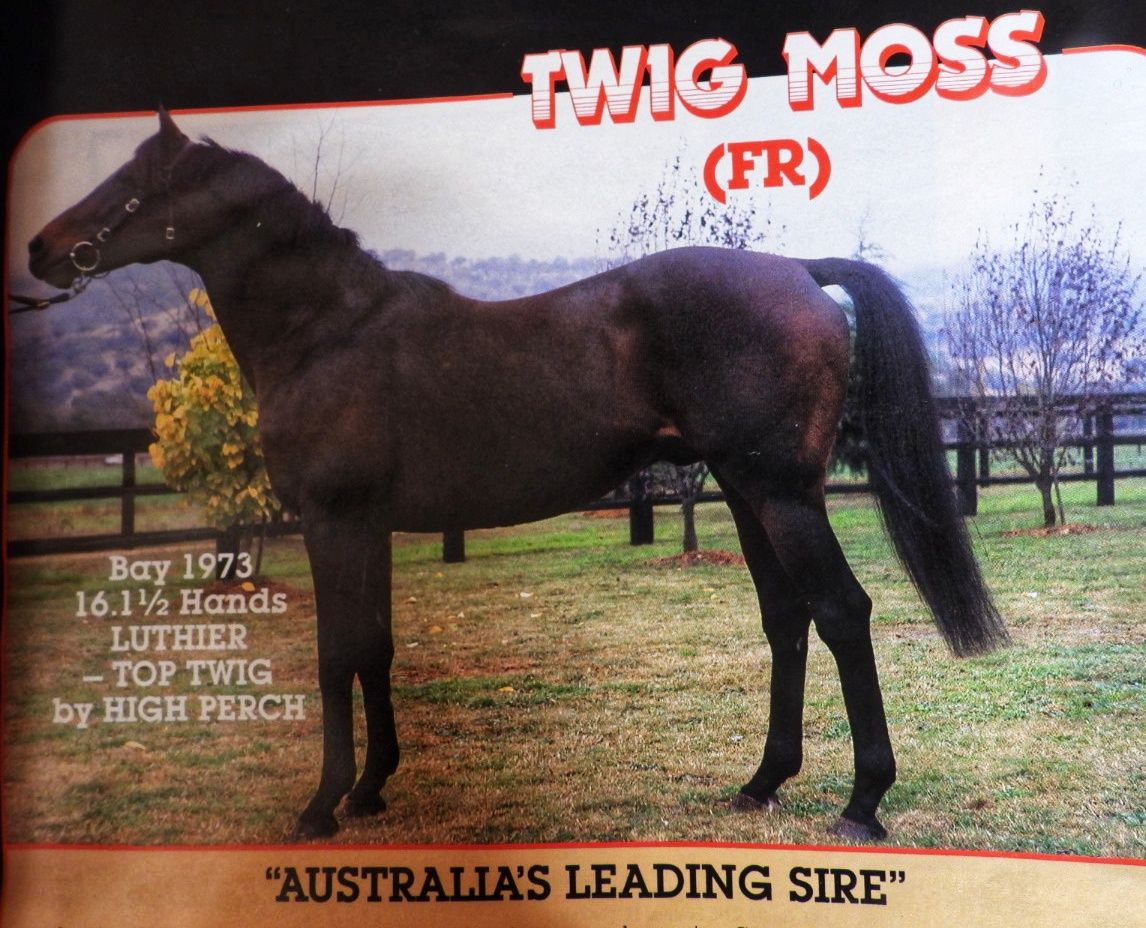
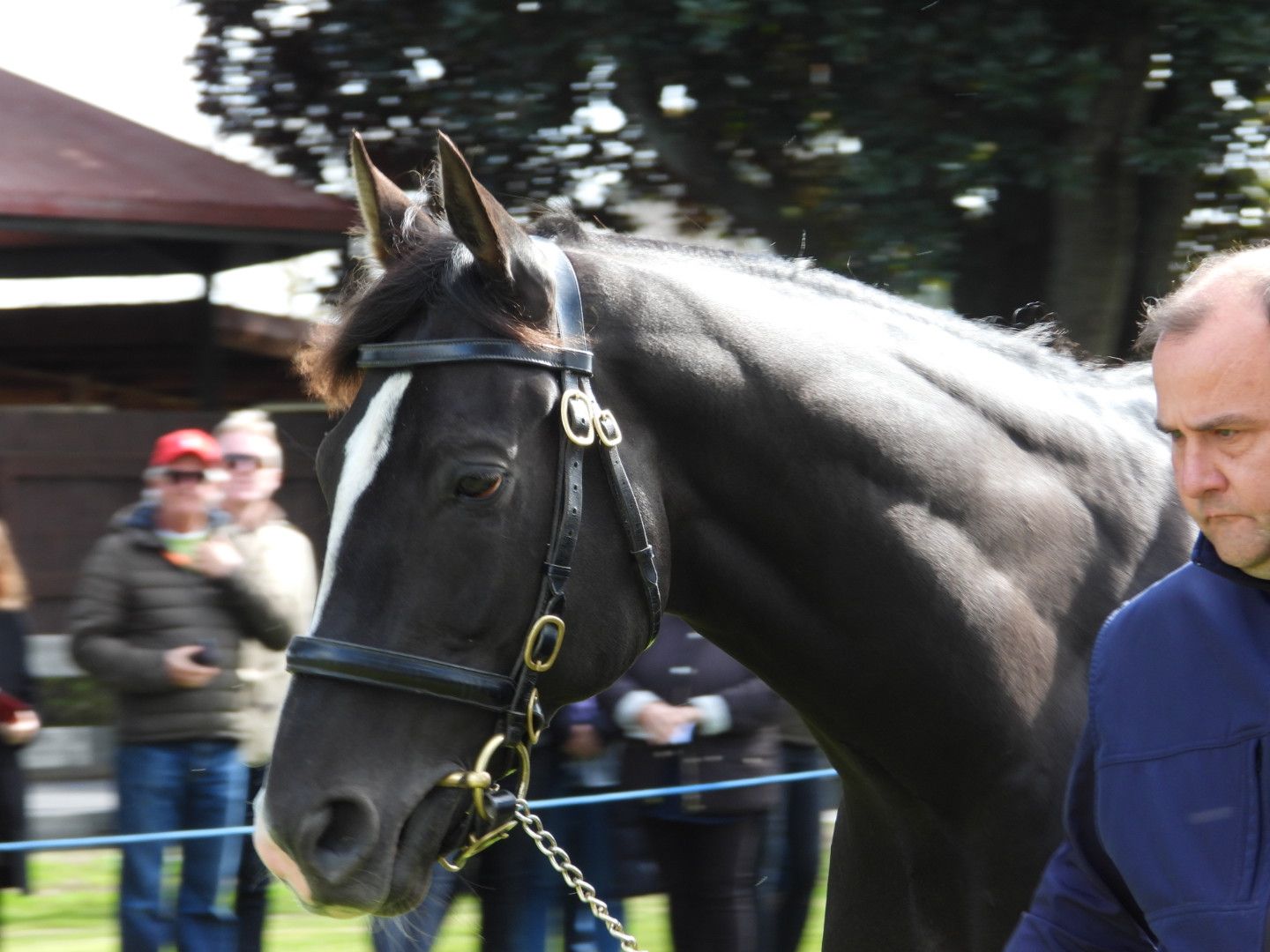
🏇Twig Moss (pictured above) to deceased sire Fastnet Rock, sire of the international G1 performer & Australian based mare Via Sistina (Ire) at age 7 winning 2025 ATC Queen Elizabeth Stakes G1 2000m for 24 starts & 13 wins. Additionally noting her grand-dam is by Indian Ridge #BT.
Additional Notes
Observing Byerley as of the Turk breeds – has both lean body mass and or musculature type. It needs pointing out that the Turks are of ‘type’ several, noting there appears 3 Haplotype clades @Tb-o1 > (a, b,✅& c) separate & distinct from Godolphin Arabian (TB-03Bb) and Darley Arabian (Tb-d). (cited – Y Chromosomal Insights etc, below…).
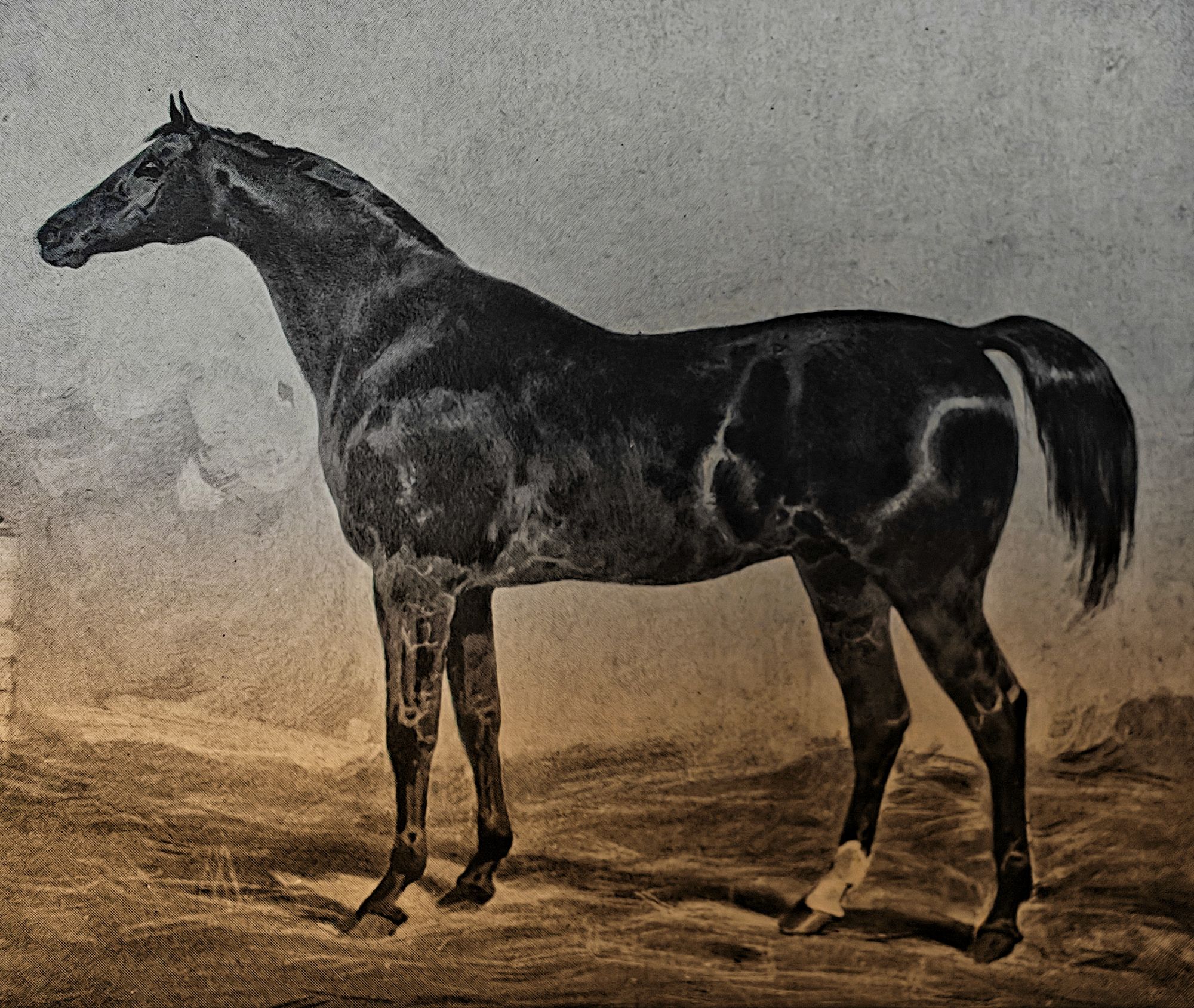
Problematic – blue print thoroughbred types. Clearly, they are not viz. Whalebone as pictured above.
The execution is to appreciate that necessary aerobic & essential circadian, mitochondrial functions are implicated by T/C geno.
Without what diversity remains, rare variants go lost and what places perfection is the overall balance, the distribution of all 3 contributors crossed. It is discussed to Bluebood article: Herod’s vanishing sire line by Rommy Faversham
Our TBL evaluation has cross-referenced numerous science publications & the most significant are cited below.
Genetics don’t lie…
References & Research
Y-Chromosomal Insights into Breeding History and Sire Line
Genealogies of Arabian Horses https://doi.org/10.3390/genes13020229
https://www.nature.com/articles/s42003-022-04206-x
https://www.nature.com/articles/s41598-019-42640-w Figure 2, The third founder, Byerley Turk, born in 1680, was newly characterised by an allelic variation of the tetranucleotide microsatellite fBVB (GATA14/GATA15; Supplementary Table S8) that defines the Tb-oB1 clade + (Figure 3)
Bluebloods 2021 – Issue 4, hard-copy publication: Herod’s vanishing sire line by Rommy Faversham. (excellent article with graphed siring lines through Europe, Australasia and USA (Diomed/Glencoe/Hanover – demonstrates relationships dovetailing)
⚠️We have applied and discerned AI assistance only to simplify complex points as shown in Tables above.
make it smart… apply the superior merits of the Byerley Turk.
Latest Post (Byerley Turk ) where sky is the limit – Skyglider (AUS)
©️- @The Thoroughbred Link
 The Thoroughbred Link