Tags
biology, Caro, dna, evolution, genetics, genotype, Hurry On, Miswaki, science, Thoroughbreds, Twig Moss
Modern Bred Fast, just Less so – DNA analysis indicates that the Scythian people prioritized not only ‘speed’ in their breeding practices.
The science detected endurance, robust forelimbs, behaviour tractability, performance traits, stress response (docility) and trainability.
It suggested that the demographic collapse associated with domestication reduced the efficacy of purifying selection in filtering out deleterious alleles
(**science cited below)
The three greatest racehorse breeds in the world today, Thoroughbred, Standardbred and Quarter Horse, have a common origin: Irish Hobby, Scottish Galloway, and English Running Horse. These parent breeds consistently produced horses of speed, stamina, hardiness, soundness, comfortable gaits and good temperament then they remained uncontaminated. The historical record demonstrates that continual out-crossing with unrelated strains resulted in the lessening or loss of the admirable traits. (credit – American Running Horse: A Forgotten Breed – Kathleen H Kirsan)
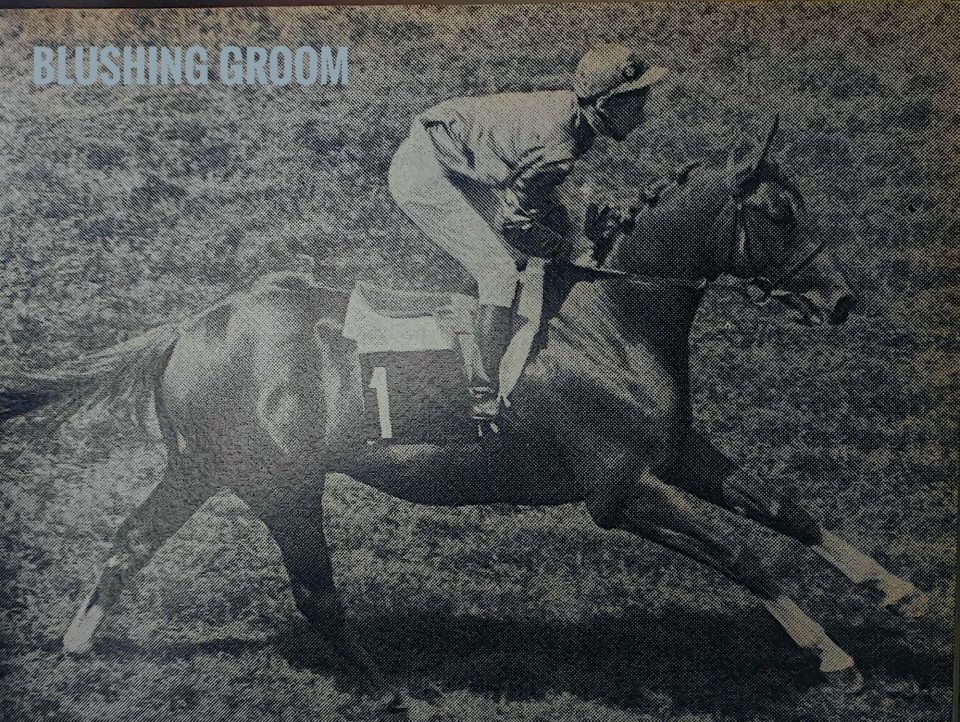
With horses like Brigadier Gerard distance makes no difference. Brigadier Gerard would have beaten the best sprinters of his day. (Alec Head)
The Scythian Bronze and Iron Age horses carried rich genetic diversity which through domestication, the modern Thoroughbred all but lost, weakened, as shaped by the handful of stallions and centuries of human pressure. The Sciences suggest that the Thoroughbred developed ‘highly specialised, genetically constrained modern creation‘, shaped by the few centuries to intense breeding management with its main contribution ‘fixed’ on speed.
Main Points
- Ancient horses were far more genetically diverse, especially on the Y‑chromosome.
- The collapse to a single dominant sire line is a modern phenomenon driven by selective breeding, not early domestication.
- Modern horses carry more harmful mutations than ancient ones. This rise in genetic load aligns with the last two millennia—and intensifies in a closed studbook.
- Early domestication drew on many male founders, the opposite of the Thoroughbred model, which relies heavily as the Darley Arabian.
- Ancient breeders selected for much broader factors—endurance, robust limbs, tractability—while modern Thoroughbred breeding continues to focus on speed with heightened, specific muscle‑development traits.
- Behavioural traits shaped by neural‑crest genes were central to early domestication. The Thoroughbred’s more reactive temperament reflects modern selection priority.
- Iron Age breeders avoided inbreeding, even while selecting for performance. This contrasts with the rising inbreeding coefficients seen in today’s Thoroughbred population.
- Some speed‑related alleles existed in ancient horses, but the deepened fixation in modern racing breeds is a recent, human‑driven development.
The MSTN “speed gene” was present in some ancient horses
- Some ancient genomes carried variants linked to muscle development and racing performance.
- This suggests the Thoroughbred’s speed‑related alleles are not new, but their fixation is modern bred.
MSTN (myostatin) is a gene that controls muscle growth.
- When MSTN works normally → muscle growth is limited.
- When MSTN is mutated → more muscle, especially in the hindquarters, and better sprinting ability.
- Mutation associated with muscle hypertrophy and sprint performance
Bigger muscles are hypertrophy for short‑distance speed & fast acceleration.
Homozygous means the horse has two copies of the sprint version of the gene.
- CC genotype at MSTN = sprint specialist
- CT = versatile
- TT = stamina type
The study suggests: some ancient horses had the same sprint‑type MSTN mutation that modern sprinters have.
But it gets Tricky…
There are two different MSTN mutations linked to speed:
- The SNP (C/T variant) — the common one used in modern genetic tests
- The SINE insertion — a chunk of DNA inserted near the gene that also reduces myostatin
The SINE insertion part was NOT present in ancient horses
Ancient horses had some sprint‑related MSTN changes, but not the modern version (the SINE insertion) that is strongly associated with elite sprinting in today’s breeds.
Research into the genetic basis of racing performance in Thoroughbreds has identified specific alleles in the ACN9, CKM, COX4I1 (COX4/1), and COX4I2 (COX4/2) genes as being under positive selection and associated with athletic performance. These genes are related to exercise-induced responses, mitochondrial activity, and cellular respiration.
The specific alleles/sequence variants identified are:
- CKM (Creatine Kinase, Muscle): A significant association was found between CKM variants and elite racehorse performance, specifically relating to energy metabolism and fatigue resistance. A specific SNP identified is CKM g.15884567A>G, where the A allele is considered favorable for racing performance. Tesio, wrote a winner is the one with least muscular fatigue
- COX4I2 (Cytochrome c Oxidase Subunit 4 Isoform 2 – COX4/2): The sequence variant COX4I2 g.22684390C>T is significantly associated with elite racing performance, with the T allele ✅being more frequent in elite flat-racehorses compared to non-winners. It is linked to beneficial adaptations in aerobic metabolism. C:C is associated to short-distance sprinters, C:T middle distance and T:T stamina.
- ACN9 and COX4I1 (COX4/1): Along with CKM and ACSS1, these genes were identified as having SNPs associated with racecourse performance in a study of exercise-relevant genes.
- Origin of Alleles: These specific alleles, along with others in the PDK4 gene, are considered part of the “genetic machinery” of modern Thoroughbreds that was inherited from, or closely related to, ➡️those found in ancient horses that were already adapted for high-intensity exercise ⬅️
These genes contribute to a higher metabolic capacity in skeletal muscle following intense exercise, aiding in faster recovery and better performance.
Associated with elite racing performance ✅ with the T allele ✅being more frequent in elite flat-racehorses ✅as compared to non-winners
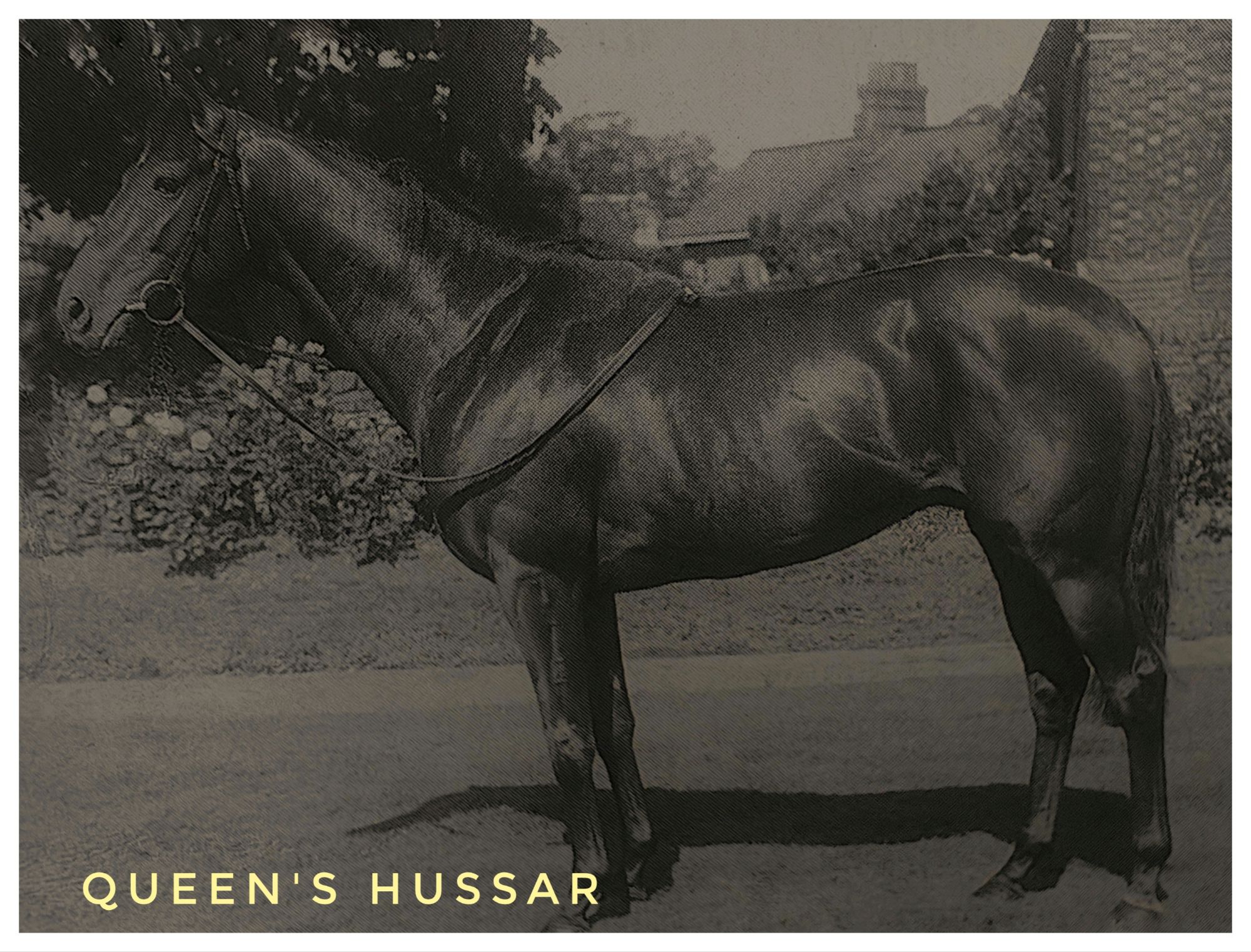
Numerous bloodstock writers, over time, predicted the overt enthusiasm in breeding ‘speed’. And or, its experiments. Franco Varola expressed each aptitudinal group did contribute in some degree to the well-being of the other groups. He noticed the early trend and its decline in stout factors, as further inclined on ‘brilliant’.

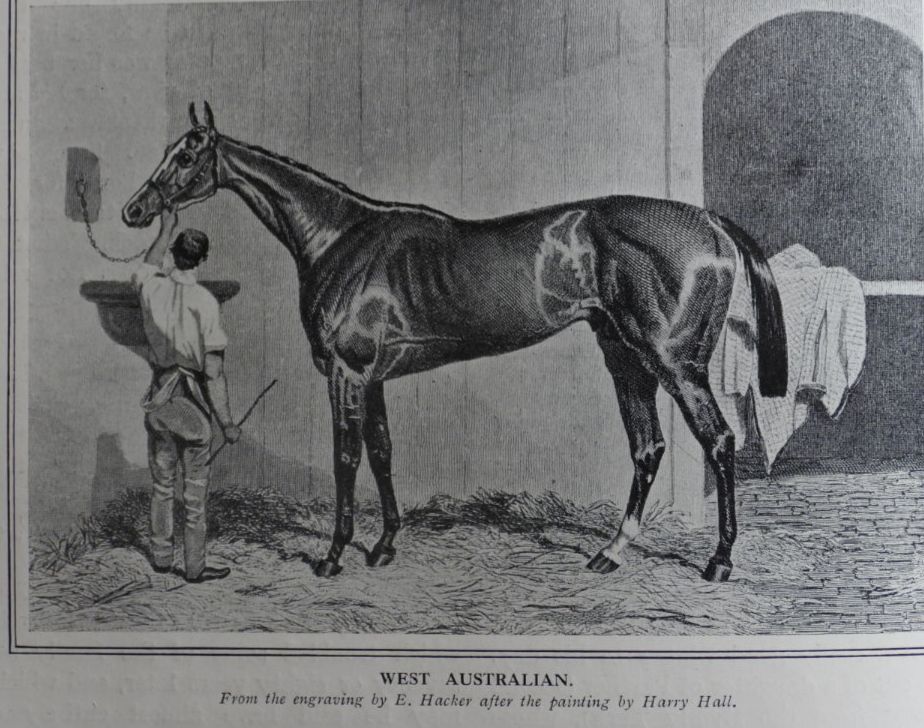
It is well evident Fair Play (5th male West Australian) Discovery, Man O’ War descendants’ particularly War Admiral, down to In Reality pierces into a much potent genetic threshold to the breed capturing stamina with speed. The indelible traits sought, is to recreate from the sources.
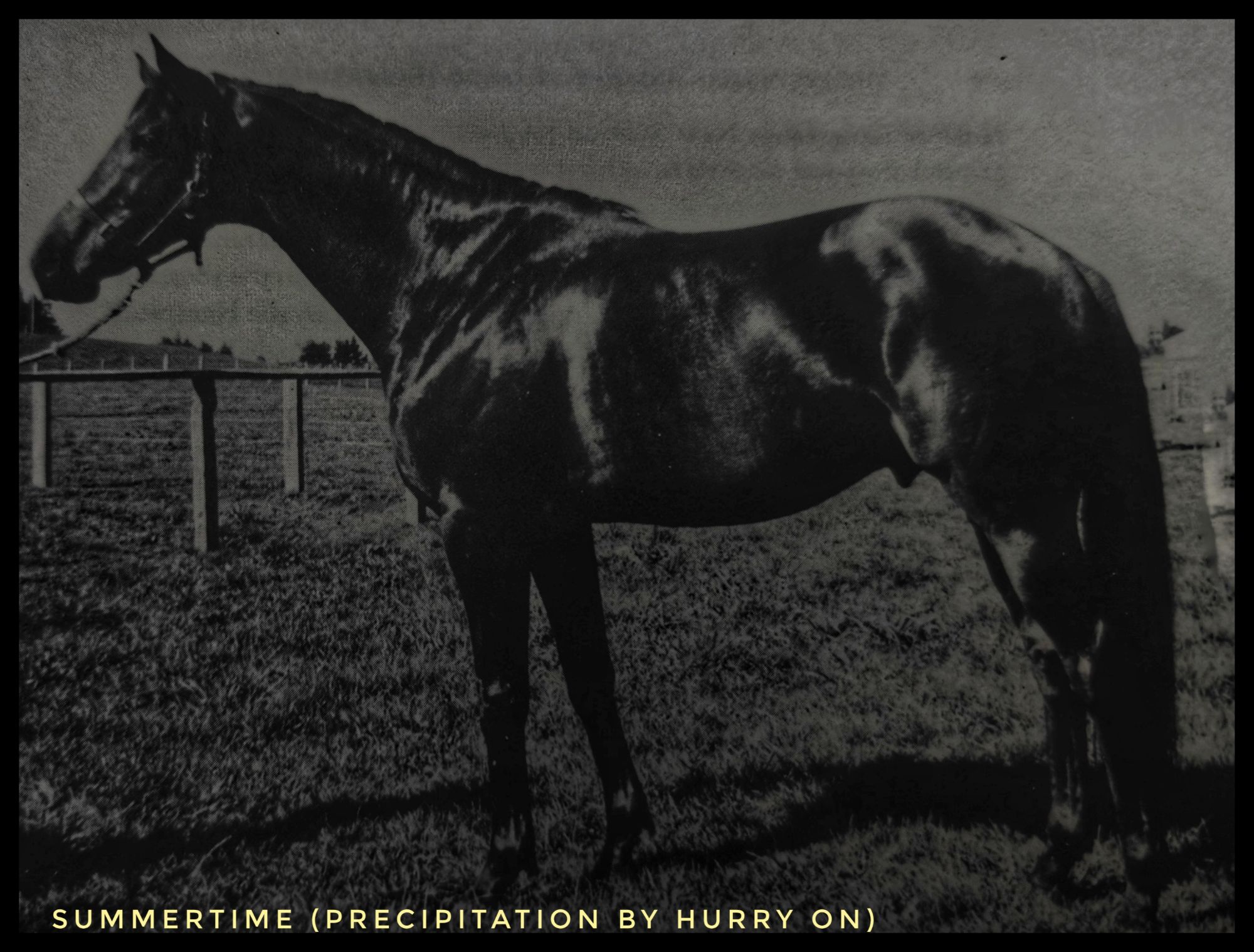
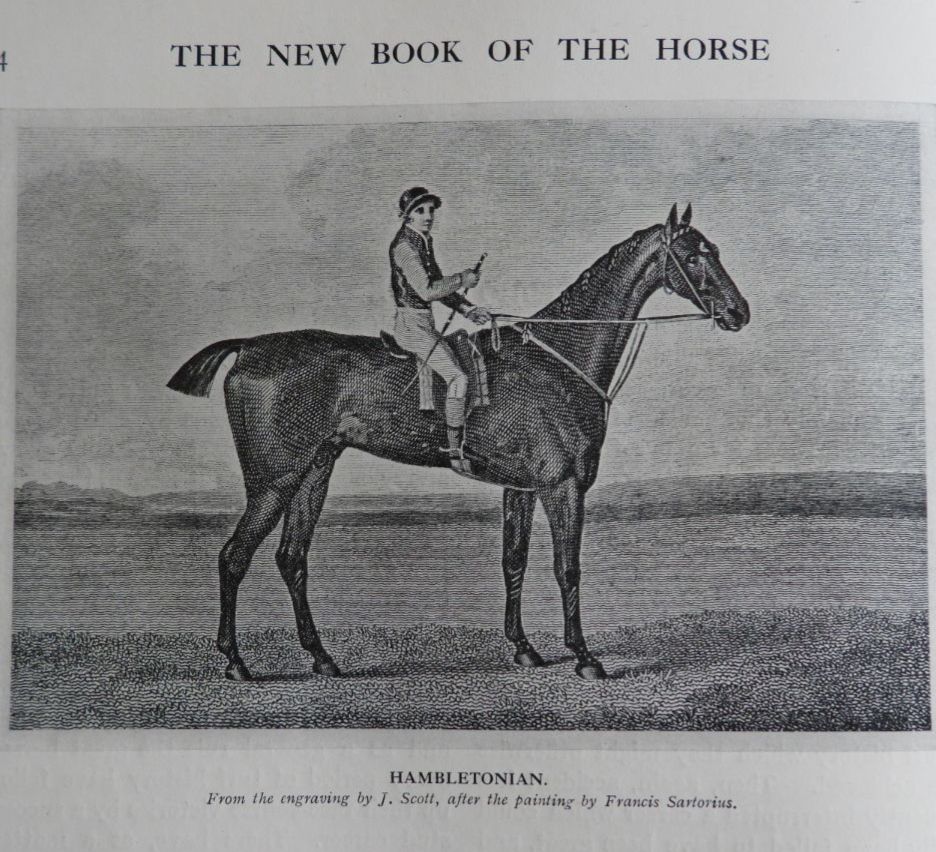
To add Hurry On/Marco/Marcovil et al, sire line West Australian. *{The peerless Precipitation male line (Hurry On) dynasty of classic stamina to New Zealand in 1946. A grand-son Mainbrace, winner of twenty three races from twenty five starts including seventeen wins in succession and one of the greatest champions ever to grace the New Zealand Turf}. Ross du Bourg
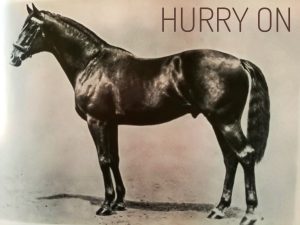
(side note comment) Profiling many of the contemporary bred, its noticeable Hurry On ‘dampened (?). Thoughtfully, a similar scenario akin to other professional Princequillo, Round Table)
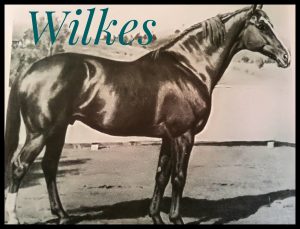
The Hurry On blood is certainly one for robust versatility. And one only needs to review Wilkes (Fr) sire of Vain (Aus), > 3×4 Vain best example – Black Caviar (Aus), 25 for 25 wins.
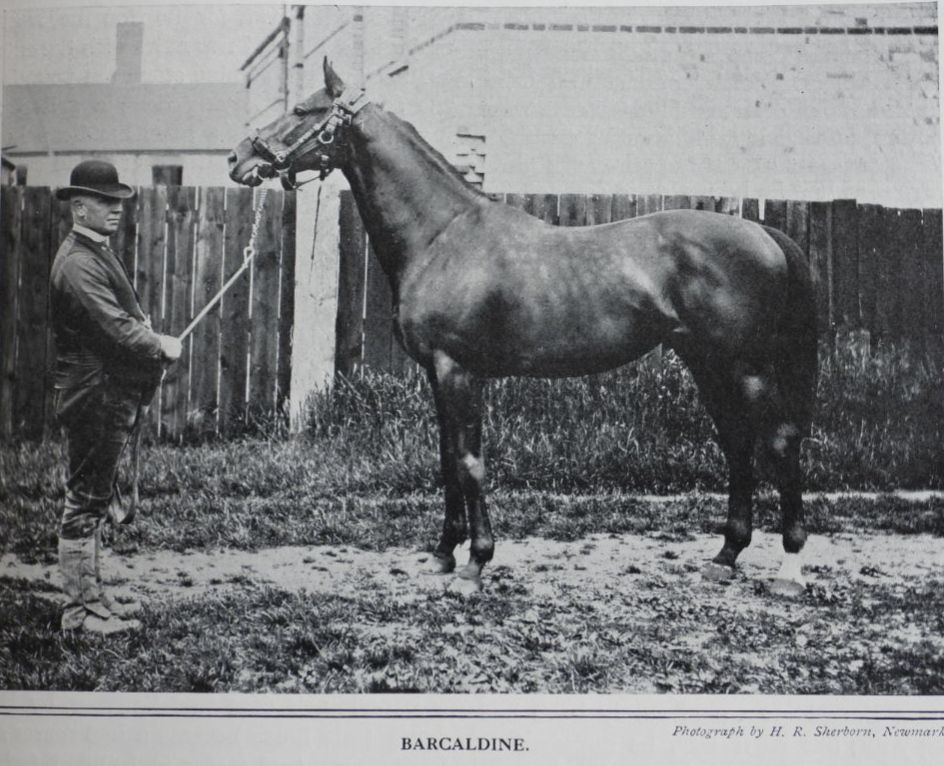
Examining the Hurry On male line – find Barcaldine – jockey Fred Archer said of him, “I have a notion that Barcaldine could do more with his horses than any horse I can remember. By Solon the large Barcaldine (by Solon, a very big horse) 2×3 Birdcatcher mare & 3x Birdcatcher. There packed with geno source…Whim/Irish Drone/Master Robert >> Florizel by Herod.
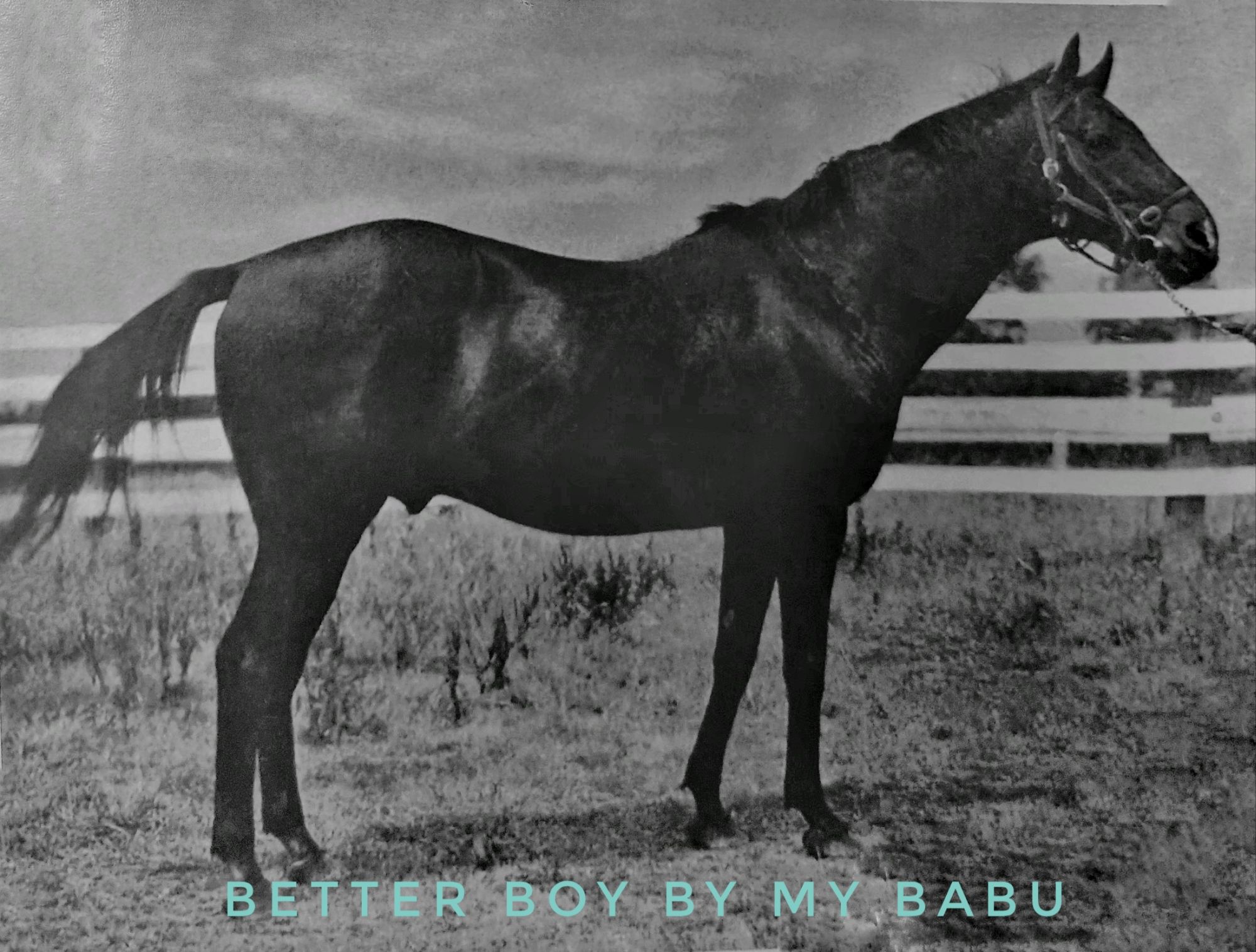
The #BT’s, Djebel et al ‘Tourbillon blood’. who is Byerley Turk? A Temperament and intelligence is a powerful factor in the make-up of the racehorse. Tourbillon’s temperament and soundness was considered temperamental; yet a worser trait in temperament is lack of courage, since courage is one of the essential qualities of a top-class racehorse. *{Better Boy’s (My Babu) first crop made their debut on Australian race-tracks in 1960-1, thereby launching a saga of success which has continued unabated for nearly twenty years with aggregate progeny earnings astonishingly (then) neared the $A4 million mark}. Ross du Bourg
gray flashes…the interwoven history of Thoroughbred & Standardbred founded, or then infused in development, the lines are traceable to earlier pedigrees.
The Australian, Bluebloods writer Mark Latham (2013) explored what duplicated lines made the holy grail? The article tables – total number of runners with minimum 50 bred on duplication. As then calculated dependent on overall breeding numbers – it grouped, (A) winners/runners %: (B) Group Winners/Runners % : (C) Stakes Winners/Runners %.
What got more productive than another?
In the scheme of things not much changes on typology and the author arrives to comment the winning edge lies elsewhere, through richer combination of strategies noticing successful matings are often up to 10 special affinities.
As the nuances are counter fold, (mindful it covered Australasian only), the work uncovered Nominal & notable sires as extracted below. It was noted, less runners more ‘success’ and those more significant sire duplications (ie Northern Dancer) would enable some conclusion.
Although end results were not conclusive; the delivery lies through a consistency of individuals, and the forefront came with little surprise.
In Reality (3×3 War Relic, 3x Fair Play) – Miswaki – My Babu (Djebel ex- Perfume by Badruddin, distaff 4th dam by Marco) – Dr Fager (Rough n’ Tumble ex-Aspidistra by Better Self) – Twig Moss – Native Dancer (Polynesian ex-Geisha by Discovery)

How breeding achieves new winners is nature’s refinement. Better is the exercise to see emerging ‘trends’ or ‘patterns’ at work – how these individuals may come to maximum genetic efficiency. They represent a certain typology: Varola’s Stout/Professional Tables, integrating individuals with ‘speed’ from that Brilliant and Intermediate category.
Grand example ….
🏆🏆🏇🏇 2026 Dubai World cup winner 4 year old Magnitude (Not this Time) exhibited his talent in true blazing fashion to an admirable defeat over Japan’s Forever Young. His racing amongst finest (Sovereignty (Into Mischief) also from a Bernardini dam, Baeza by McKinzie) his dam an unraced Bernardini mare was purchased for $140k. Magnitude Horse Pedigree
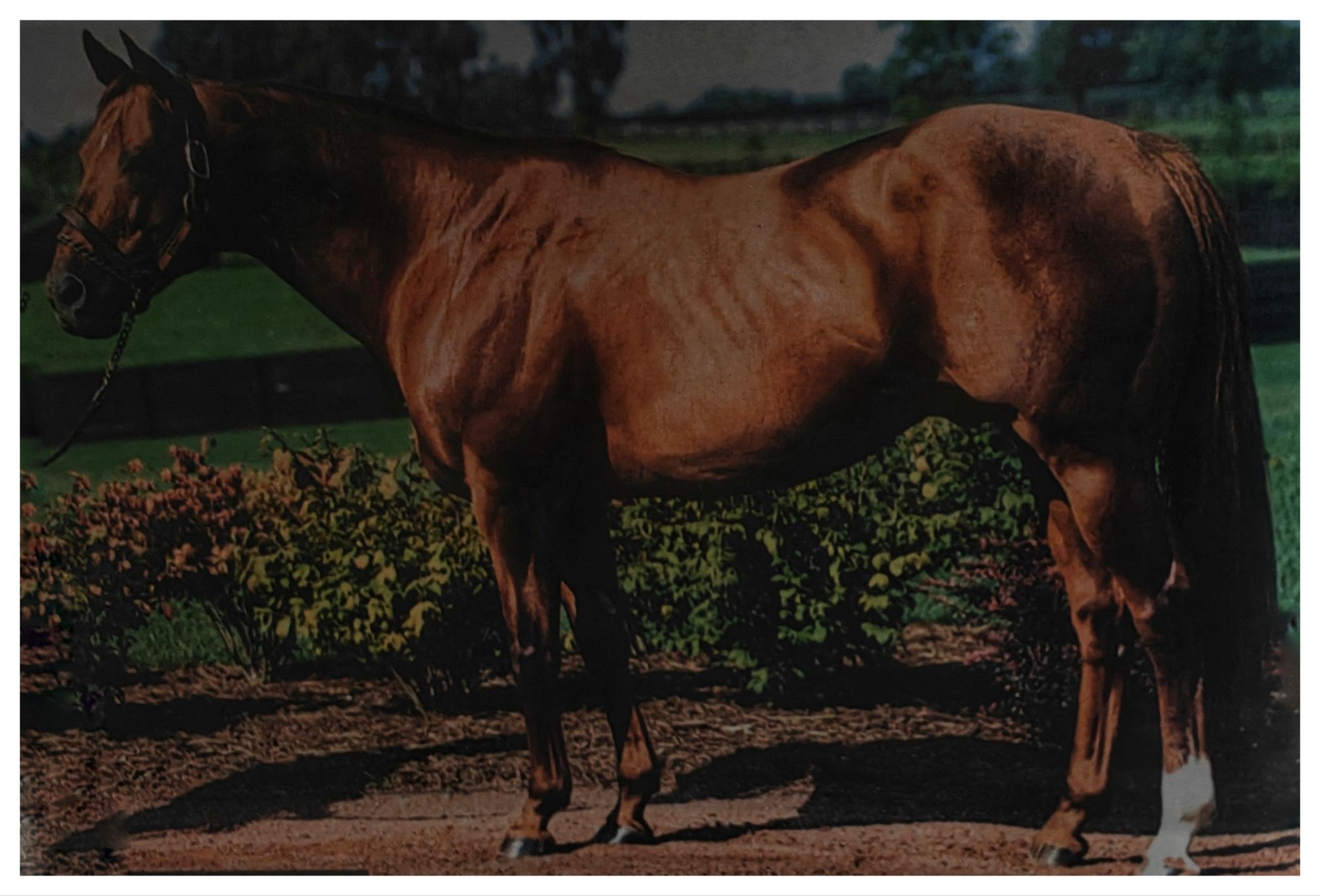
The dam profiles > 4×4 Fappiano (Dr Fager) 🏆- 4×4 Caro, the quirky Caro Pedigree Analysis: Caro – BloodHorse. Grey Sovereign, Relic, Chamossiare/Hurry On
Another trait of profession chefs-de-race, just as significant as stamina, is the capacity for maturing later than other aptitudinal shades. This trait is not generally in favour nowadays, at least in the current transatlantic racing set-up, so much so that sires with a professional syndrome find life at stud very hard. But it is to be regarded ecologically as one of the assets of the breed, and one which might even return to popularity at some future time. The late-maturing trait, while generally associated with soundness and reliability, has in turn a drawback, since it may go hand in hand with a loss of finishing speed. (Franco Varola)
Unrelenting traits
What is the future?
Japan’s rising prominence becoming the breeder of stayers. A framework of British-bred stayer sires through 2015 study has highlighted the significant issues as faced similarly by numerous racing countries: the absence of sufficient staying programs.
Britain and Ireland staying sires however re-locate to the National Hunt breeding roster. In that, the bloodlines prevail.
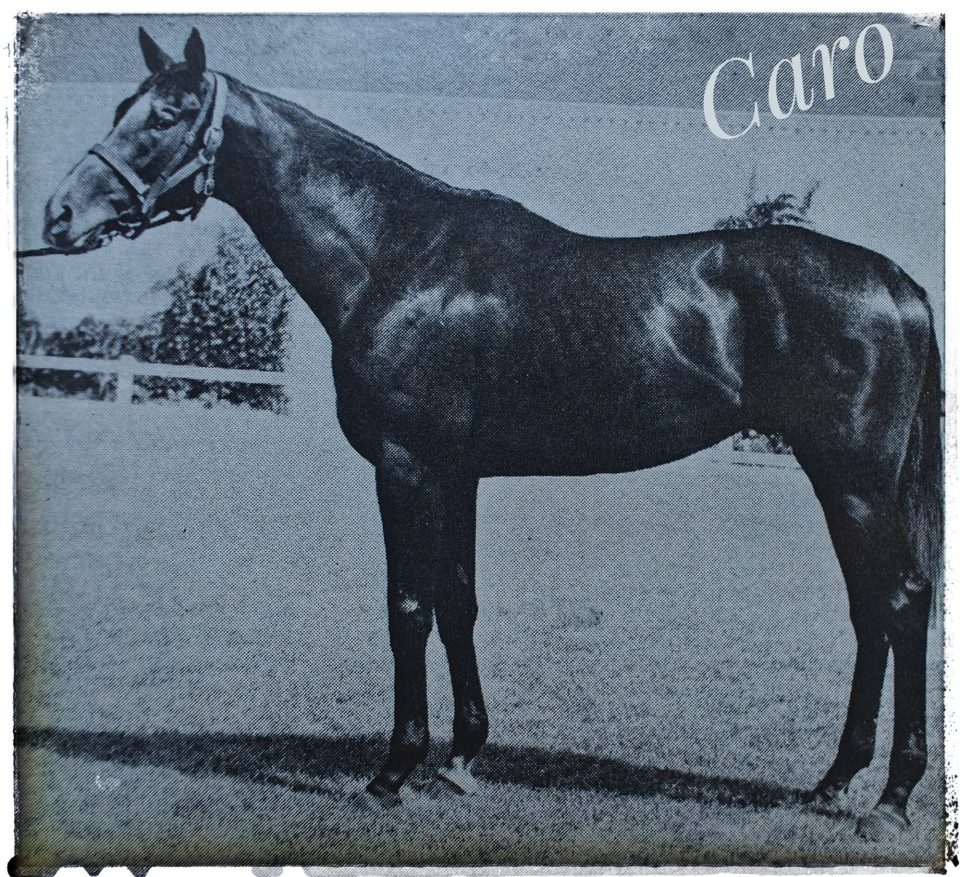
Symbolic is the enigmatic 9-year-old Constitution Hill (GB) (by Blue Bresil FR – note Caro & Twig Moss, sire line) having retired from hurdle racing (G1 8x ) converts to flat-racing He proves age (longevity) and his racing agility which is simply astonishing. Racehorse Constitution Hill was a top hurdler who has switched to the Flat
Signature traits ⬇️
References
**(99+) Ancient genomic changes associated with domestication of the horse_2017
Disclaimer: This post includes AI‑assisted interpretation of scientific material, references above. It is intended for general informational purposes only and should not be taken as scientific, veterinary, or breeding advice. Interpretations of research can vary, and readers should consult the original sources for authoritative information.
*The Australian and New Zealand Thoroughbred – Ross du Bourg

